

Quick answer
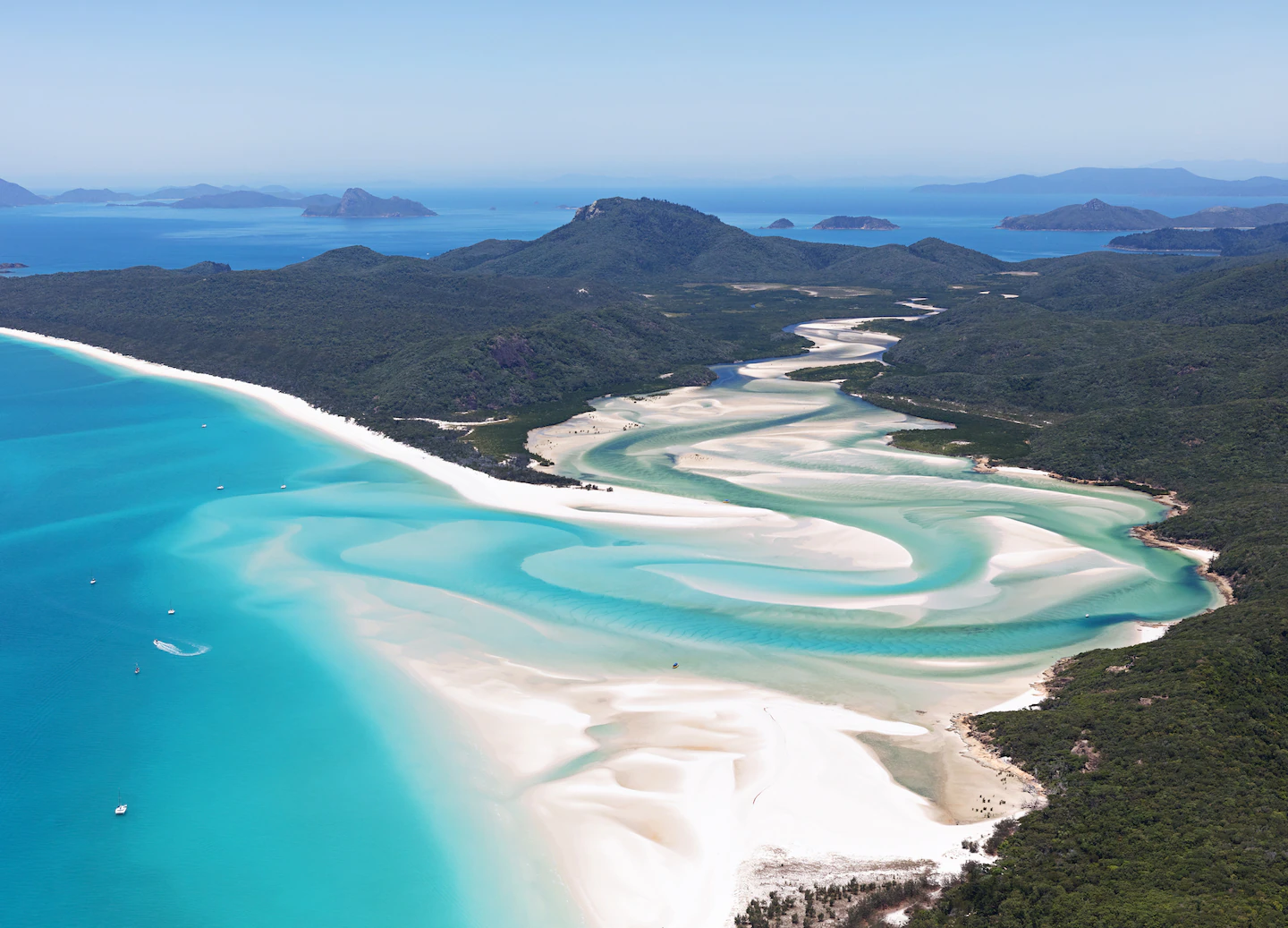
You cannot snorkel directly at Whitehaven Beach. The shallow, sandy bay holds minimal coral and limited marine life. Most tours combine beach time with snorkeling stops at nearby fringing reefs along Whitsunday Island's northern and southern coasts, where coral gardens and tropical fish thrive in deeper water. Hill Inlet, visible from the beach's northern lookout, offers shallow reef patches accessible by kayak or tender.
Whitehaven Beach sits inside a protected bay where tidal currents deposit pure silica sand, creating water so clear you can see the seafloor metres below the surface. That clarity reveals the challenge: the bay floor is sand, not coral. Snorkeling in shallow water over an empty seabed yields little beyond the occasional stingray or small school of baitfish. The fringing reefs that define Whitsunday snorkeling lie 15 to 45 minutes by boat from the main beach anchorage. Tour operators schedule stops at sites like Luncheon Bay, Turtle Bay, and the northern coral zones near Border Island, where hard and soft corals host clownfish, parrotfish, reef sharks, and green sea turtles. These sites sit in three to eight metres of water, with visibility often exceeding 15 metres during calm conditions between April and November. Hill Inlet, the tidal estuary at Whitehaven's northern end, blends fresh and salt water over shallow sand flats. Coral bommies grow along the inlet's eastern margin, close enough to reach by kayak or small tender. The reef here is patchy but accessible without a long boat transfer, making it the closest snorkeling option to the beach itself. Water depth rarely exceeds two metres, and the tidal flow can push swimmers toward deeper channels. Most day tours allocate 60 to 90 minutes at Whitehaven Beach for walking and swimming, then relocate to a dedicated snorkel site for another hour underwater. Half-day tours typically visit one reef location; full-day itineraries may include two or three stops. The beach remains free to access for anyone arriving by private vessel or chartered boat, with snorkeling possible wherever coral growth appears along the island's coastline.
“The fringing reefs that define Whitsunday snorkeling lie 15 to 45 minutes by boat from the main beach anchorage.”
The Best Time to Snorkel at Whitehaven Beach
The best time to snorkel at Whitehaven Beach is during the early morning hours, specifically within the best arrival window of 07:00–11:00. This timeframe provides optimal water clarity and allows visitors to experience the location before the peak of daily tour activity.
Early Morning
Low—
Snorkeling conditions are calmest with high visibility before midday winds increase.
September to November
ModerateWarm, 24°C to 29°C
These months offer stable conditions and warm water temperatures suitable for extended snorkeling.
December to March
HighHot and humid, 26°C to 31°C
Expect higher humidity and seasonal rainfall, alongside the presence of marine stingers requiring protective suits.
April to August
ModerateMild, 19°C to 26°C
Cooler air temperatures prevail, though water remains pleasant for those using stinger suits for comfort.
Verdict: Aim for an arrival between 07:00–11:00 during the shoulder months of September or October for the clearest water and smallest crowds.
How to Get There to Snorkel at Whitehaven Beach
Whitehaven Beach is located on Whitsunday Island, Queensland, and is accessible exclusively by water. Visitors typically depart from Airlie Beach, Hamilton Island, or Shute Harbour via commercial vessel.
High-speed catamaran from Airlie Beach
Ferry from Hamilton Island
Sailing tour from Shute Harbour
Entrance Fees When You Can Snorkel at Whitehaven Beach
Access to Whitehaven Beach itself does not incur an admission fee. Costs associated with visiting are limited to the logistics of travel to the island.
While the beach is free to enter, you must pay for a boat transfer or organized tour to reach the site.
Tips for Those Who Snorkel at Whitehaven Beach
Maximize your time in the water by understanding local environmental conditions and equipment necessities.
Stinger season awareness
Wear a full-body lycra stinger suit between November and May to protect against Irukandji and box jellyfish. These suits are often provided by tour operators, but verify availability before departure.
Tide impact on visibility
Snorkeling directly off the beach is tide-dependent, as low tide can make the water shallow and reduce clarity. Plan to snorkel during the incoming or outgoing tide to ensure enough water depth and better visibility.
Currents near Hill Inlet
Strong tidal currents occur at the northern end near Hill Inlet, which can be dangerous for swimmers. Only enter the water here if you are a confident swimmer and remain aware of changing water movement.
Gear requirements
The fine, silica sand of Whitehaven Beach can easily scratch camera lenses and get into snorkeling gear. Rinse your mask and snorkel thoroughly in freshwater after each use to prevent buildup and maintain a clear seal.
Footwear for navigation
Sharp coral fragments or rocks can occasionally be found in areas surrounding the beach. Carry lightweight water shoes to navigate the transition from the sand to deeper snorkeling zones comfortably.
Operating Hours for When You Can Snorkel at Whitehaven Beach
Whitehaven Beach is located within a national park and remains accessible to visitors throughout the week. The beach is open for public access at all times.
| monday | 00:00–23:59 | |
|---|---|---|
| tuesday | 00:00–23:59 | |
| wednesday | 00:00–23:59 | |
| thursday | 00:00–23:59 | |
| friday | 00:00–23:59 | |
| saturday | 00:00–23:59 | |
| sunday | 00:00–23:59 |
Check availability
Common questions about snorkeling at Whitehaven Beach
Everything you need to know about can you snorkel at whitehaven beach