1 hr 10 min
Whitsundays & Great Barrier Reef Scenic Flight
- Entry ticket
- Mobile voucher
- Valid same day
- Free cancellation
Whitsundays Snorkeling Great Barrier Reef — Day Cruises & Scenic Flights
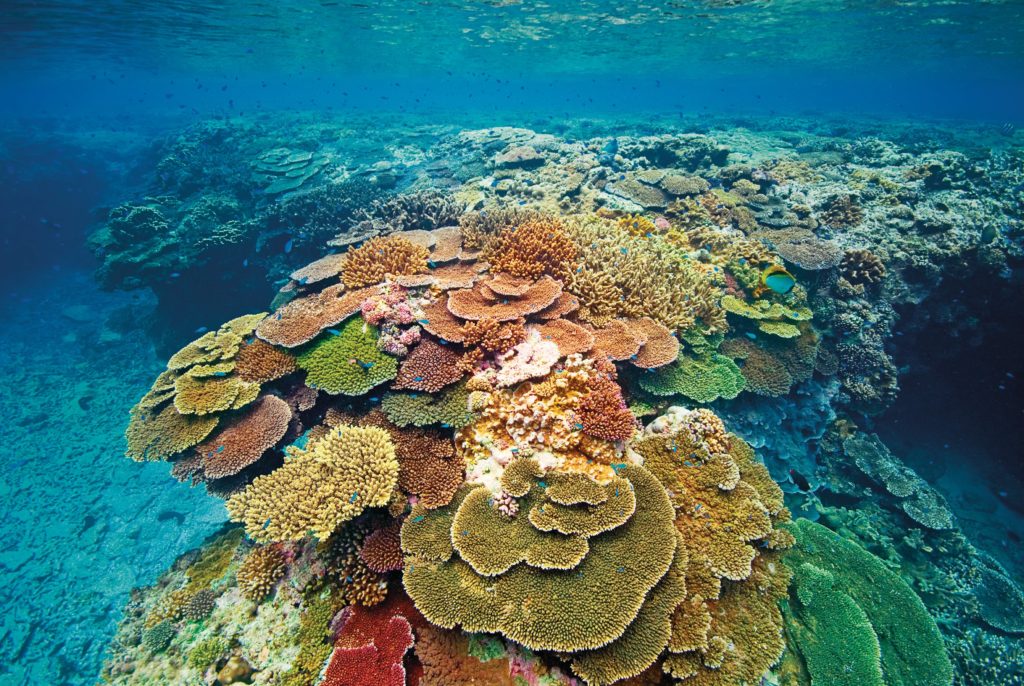
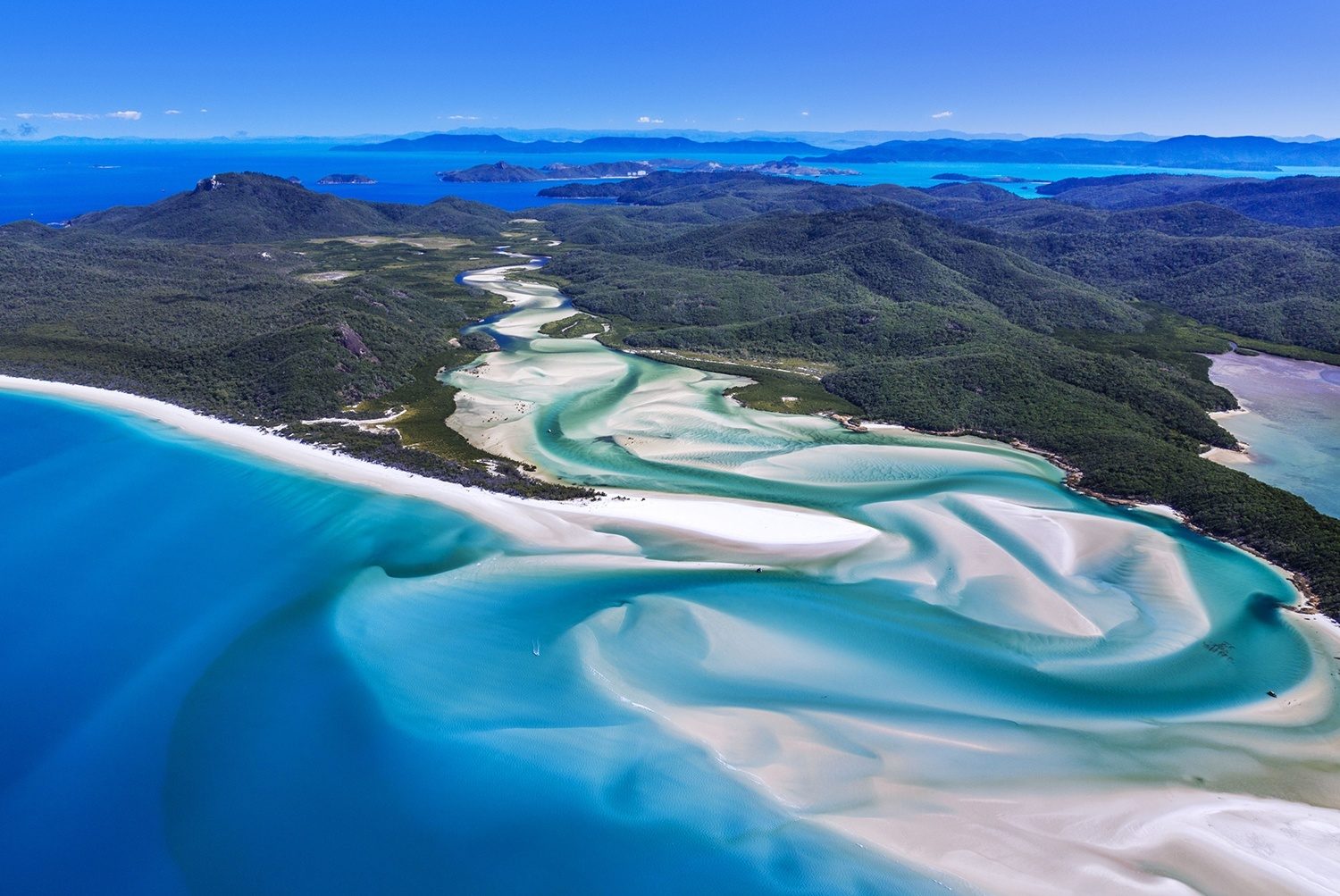
Coral gardens meet powder-white shores, where turquoise channels reveal the reef's living edge
Compare fares, pick the fit — all bookings are mobile-voucher and eligible for free cancellation where shown.
1 hr 10 min
7 hr
24 hr
| Experience | Duration | Rating | Pickup | Lunch | Skip-the-line | Free cancel. | Price | |
|---|---|---|---|---|---|---|---|---|
|
Standard Entry
Most popular
Whitsundays & Great Barrier Reef Scenic Flight
|
1 hr 10 min | ★ 4.8 | ✓ | — | — | ✓ | $210 | Book → |
|
Guided Experience
Whitehaven Beach, Hill Inlet & Reef Snorkeling Day Trip
|
7 hr | ★ 4.7 | ✓ | ✓ | ✓ | ✓ | €148 | Book → |
|
Guided Experience
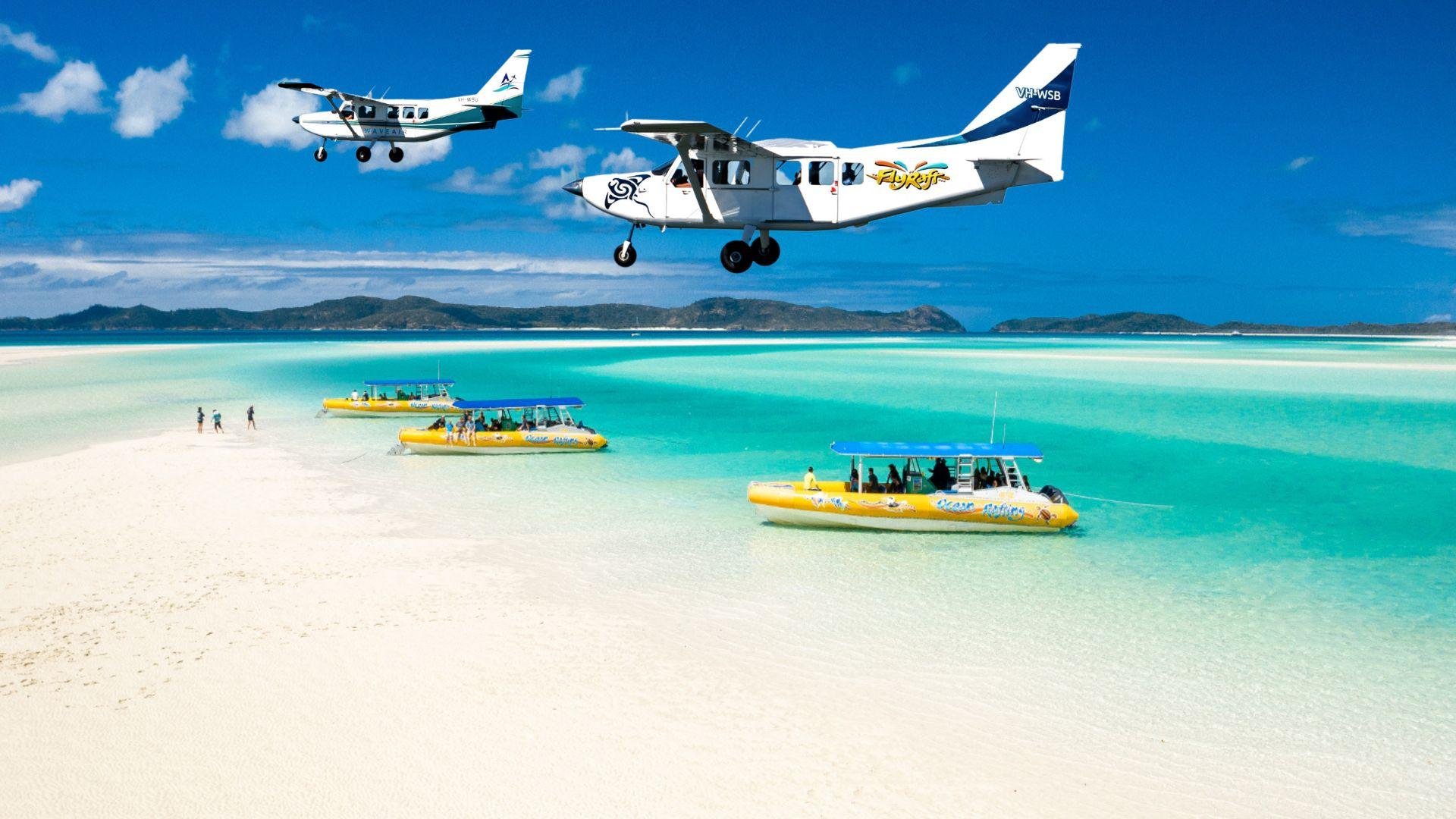
Whitsundays Fly & Raft: Scenic Flight, Whitehaven Beach & Snorkeling
|
24 hr | ★ 4.9 | ✓ | ✓ | ✓ | ✓ | $398 | Book → |
Worth it for reef enthusiasts and beach lovers
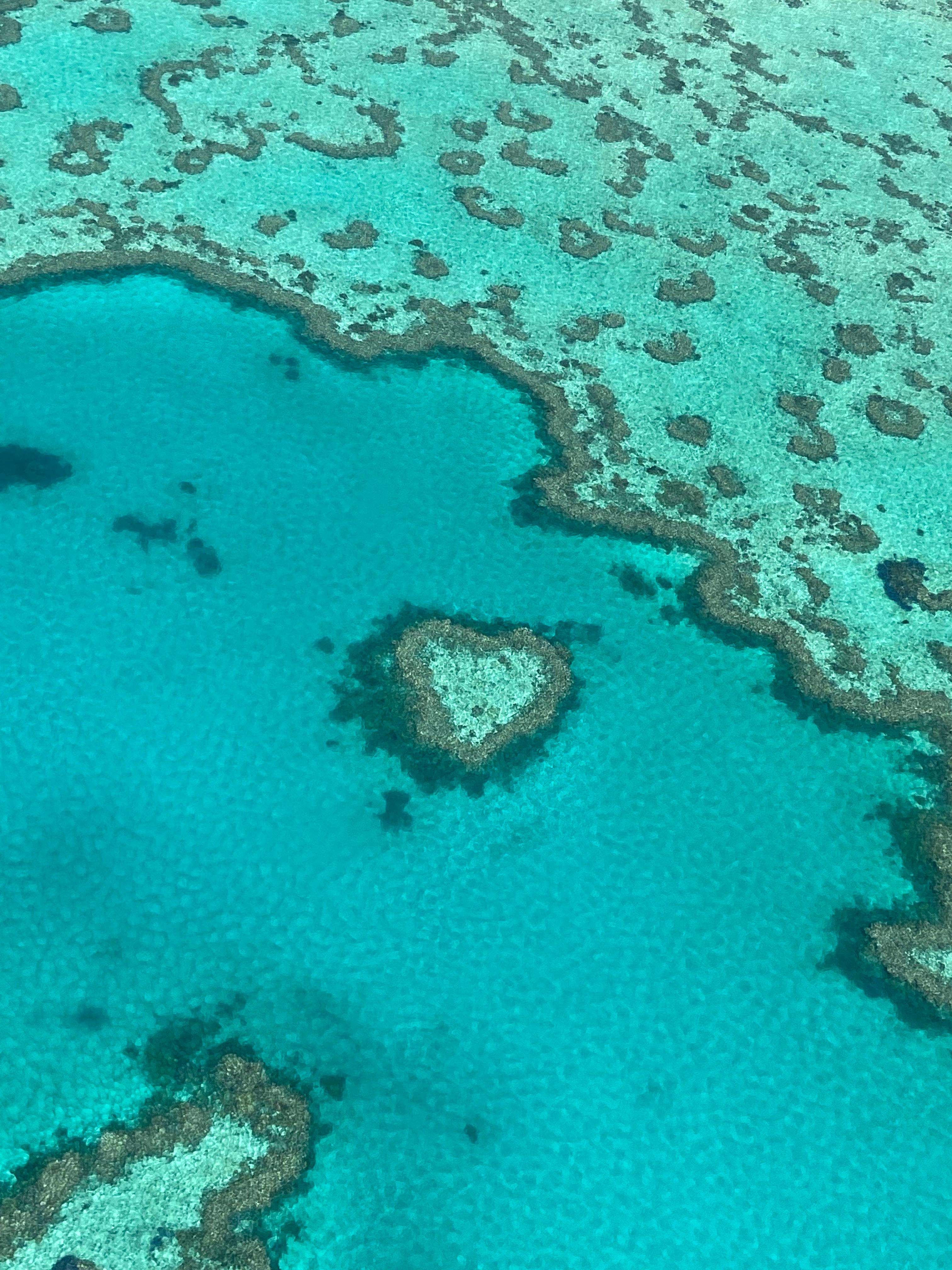
Whitsundays snorkeling great barrier reef combines two world-class experiences — pristine Whitehaven Beach and living coral gardens — in a single day trip. The available tours bundle scenic cruises or speedboat transfers with 1-2 snorkeling stops at outer reef sites, where visibility regularly exceeds 20 meters and marine life includes turtles, reef sharks, and hundreds of coral species. Most packages include gear, guides, and lunch, eliminating logistics hassle. The value proposition is strongest for visitors who want both reef exploration and beach time without organizing separate bookings. Fly-and-raft options add aerial perspectives of Heart Reef and Hill Inlet's swirling sands. Skip it if you're prone to seasickness or prefer land-based activities — open-water crossings can be choppy, and snorkeling requires moderate swimming confidence.
Bottom line: Book a reef and beach combo tour if you want efficient access to the Great Barrier Reef's healthiest coral systems without overnight liveaboard commitment.
They complement each other; most visitors who do both call the outer reef platforms near Cairns the more thrilling for biodiversity, while the Whitsundays offer a superior sailing and island-hopping aesthetic. Choosing between these whitsundays snorkeling great barrier reef tours and a Cairns-based excursion depends on whether you prioritize raw underwater variety or a classic tropical island holiday.
|
Top pick Whitsunday Islands |
Cairns / Outer Reef | |
|---|---|---|
| Best for | Sailing and island scenery | Marine life and diving variety |
| Primary reef type | Fringing reef around islands | Outer reef bommies and gardens |
| Boat transit to reef | 0.5–2 hours | 1.5–2 hours |
| Typical visibility | 3–20 metres | High (consistently good) |
| Top highlight | Whitehaven Beach access | Great Barrier Reef diversity |
| Who it suits | Couples and scenery lovers | Families and serious snorkelers |
| Operating season | Year-round (daily) | Year-round (daily) |
| Starting price | 70–200 AUD (daily) | 65–180 AUD (daily) |
| See tickets & prices |
Verdict: If your goal is peak biodiversity and professional diving, choose a Cairns-based whitsundays snorkeling great barrier reef tour, but opt for the Whitsundays if you want to combine pristine silica beaches with your whitsundays snorkeling great barrier reef tickets.
Hand-picked experiences loved by thousands of travelers
8 hours
Free Cancellation
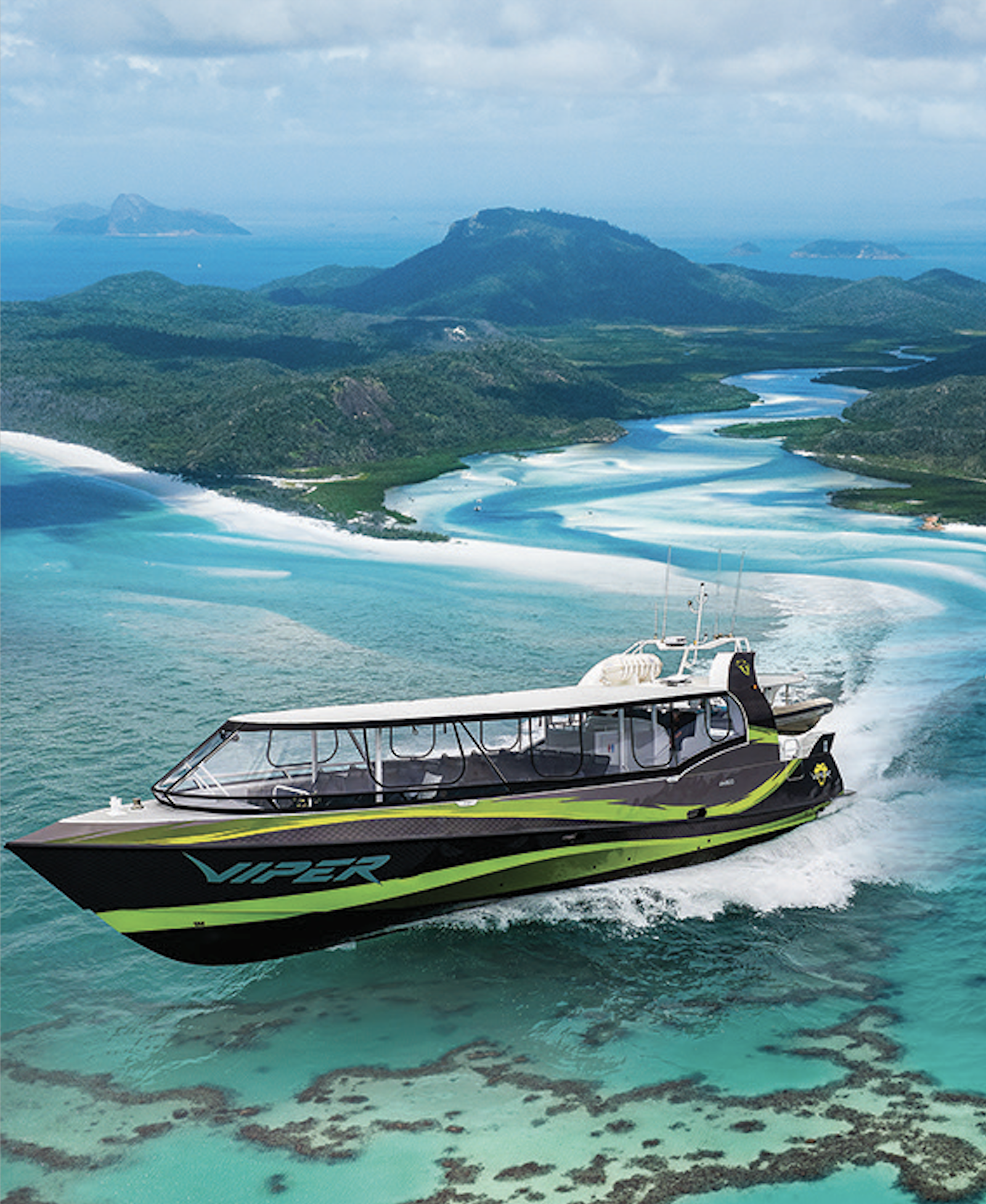
High-speed reef snorkeling and beach paradise in one thrilling Whitsundays day trip
8 hours
Free Cancellation
Choose beach-only or add snorkeling on this full-day catamaran adventure with lunch and lookout hike
2 days
Free Cancellation
Two-day sailing escape exploring iconic Whitehaven Beach, snorkeling coral reefs, and island-hopping
2 days
Free Cancellation
Two-day yacht adventure through pristine islands with snorkeling, gourmet meals, and sunset anchoring
3 days
Free Cancellation
Sail the turquoise waters aboard Avatar, snorkel pristine reefs, and walk the iconic Whitehaven Beach
6.5 hours
Free Cancellation
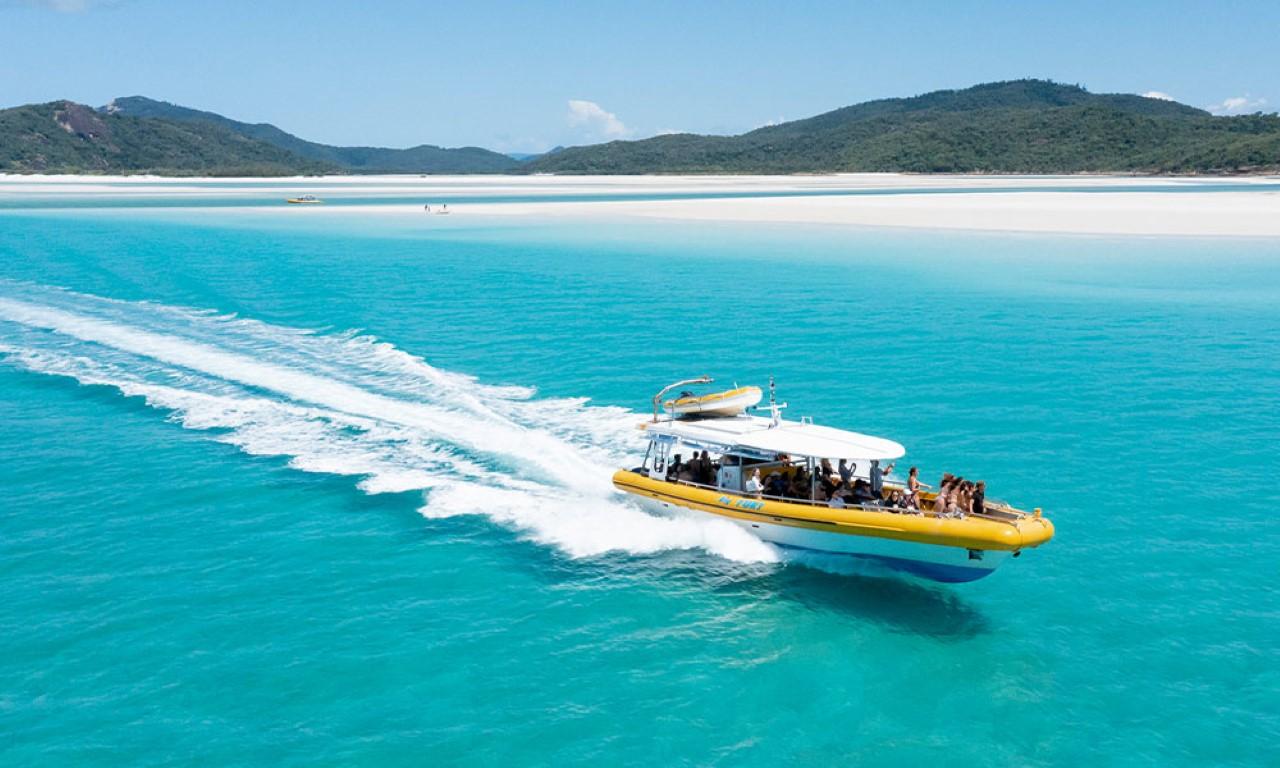
Speed across turquoise waters to pristine white sands, coral reefs, and the iconic Hill Inlet lookout
10 hours
Free Cancellation
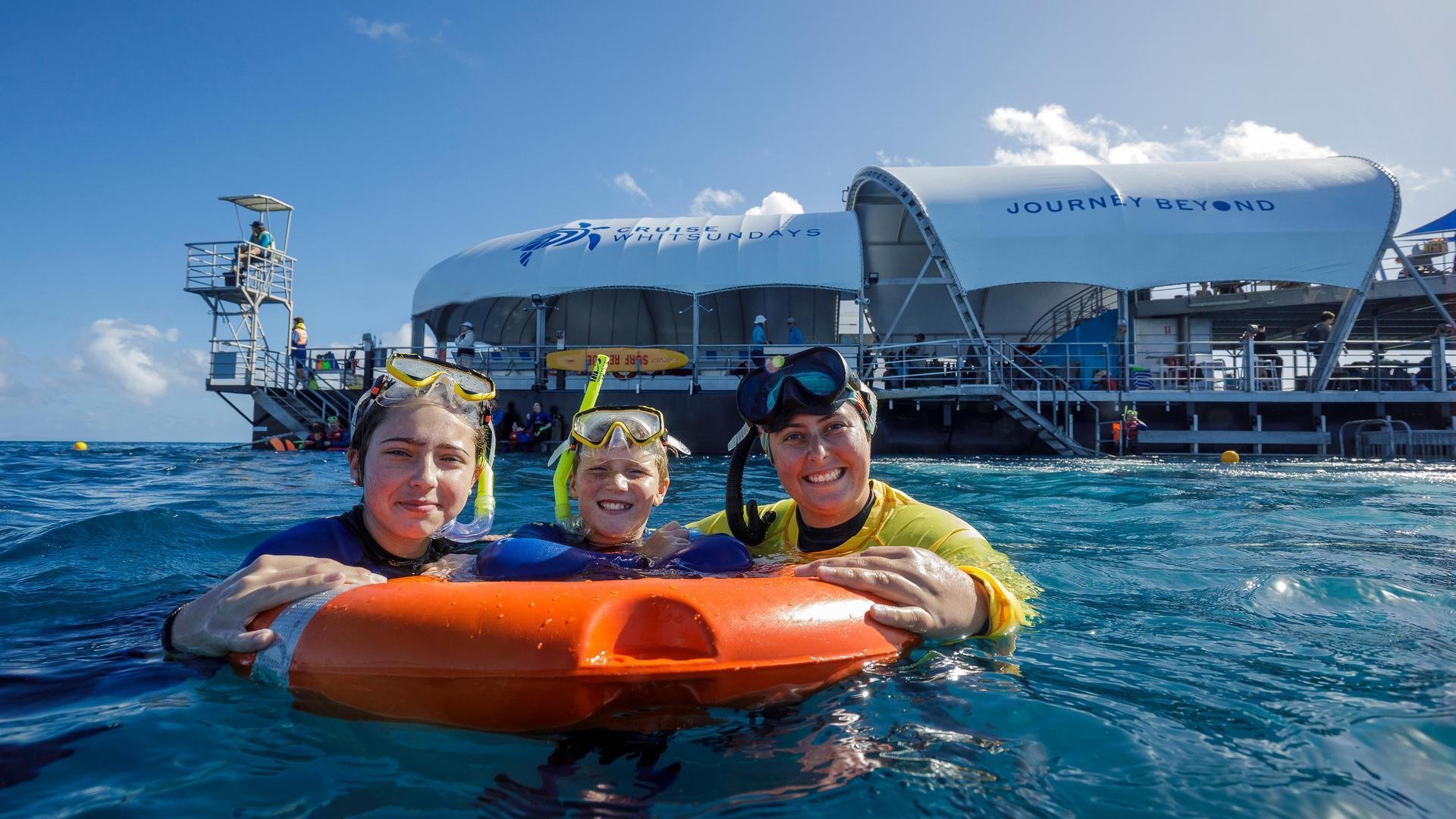
Journey to Hardy Reef's floating pontoon for snorkeling, diving, and underwater exploration at the outer reef
9 hours
Free Cancellation
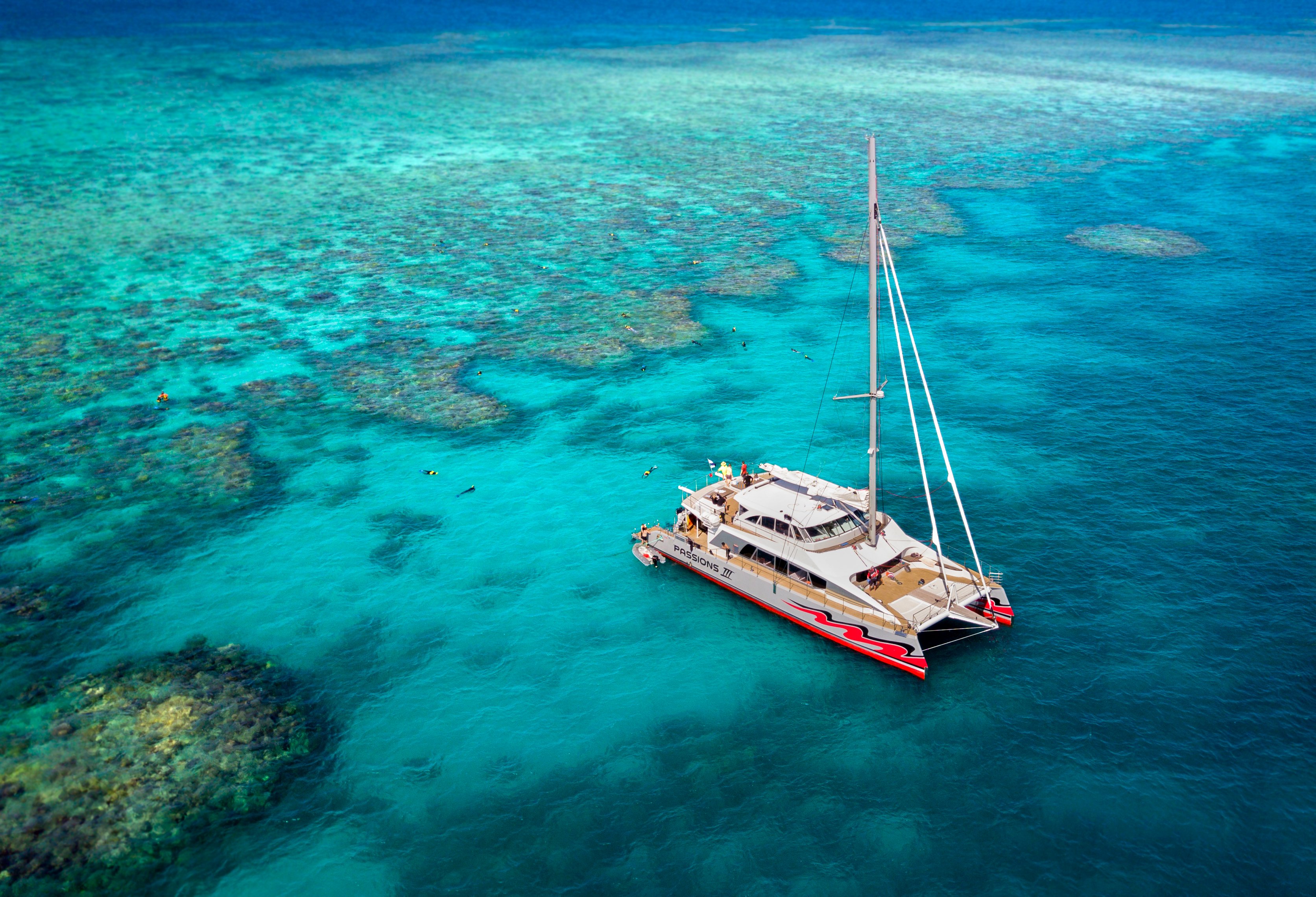
Full-day catamaran journey to pristine outer reef sites with snorkeling, diving, and marine encounters
Boarding the vessel in Airlie Beach
Travel to the outer reef site
Guided exploration of the marine park
Boat transit back to mainland
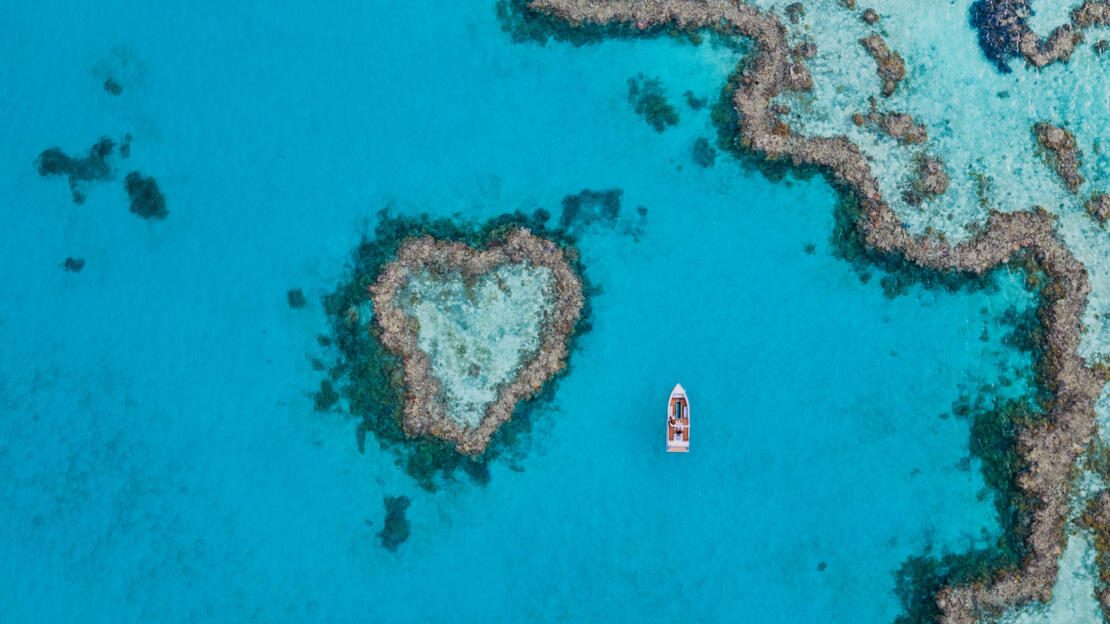
Features the famous Heart Reef, often viewed via scenic flights or boat-based snorkeling tours.
Known for clear water and calm conditions, perfect for beginners interested in whitsundays snorkeling great barrier reef.
Located on Hayman Island, this site offers vast coral gardens and frequent sea turtle sightings.
A protected spot known for friendly resident fish and excellent visibility for snorkeling.
Accessible from Hook Island, providing extensive reef structures for marine exploration.
You board at Airlie Beach marina as dawn light catches the headlands, the speedboat clearing the harbour wall and accelerating into the Whitsunday Passage. Thirty minutes offshore, the engine cuts at a moored pontoon above Hardy Reef's southern edge.
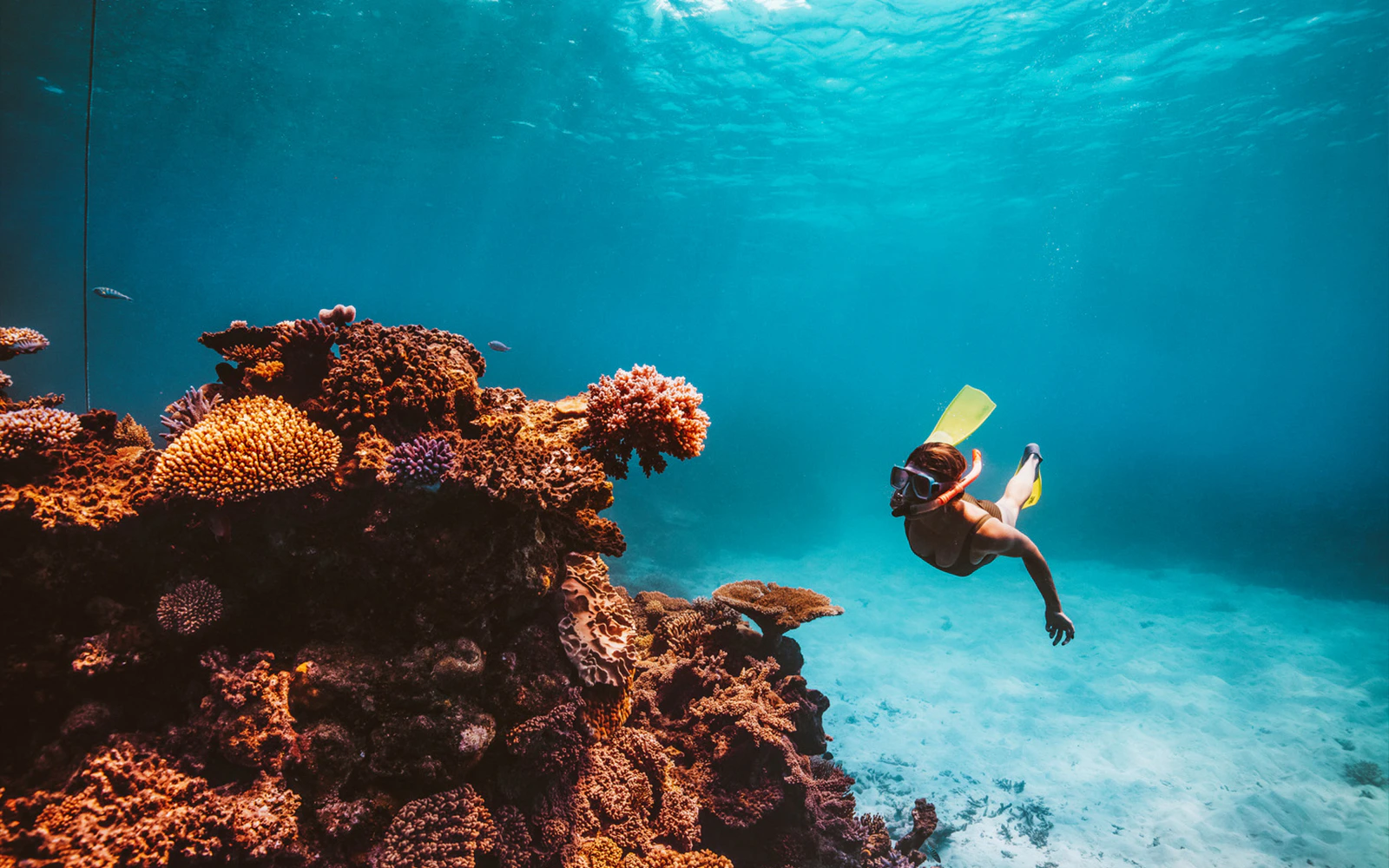
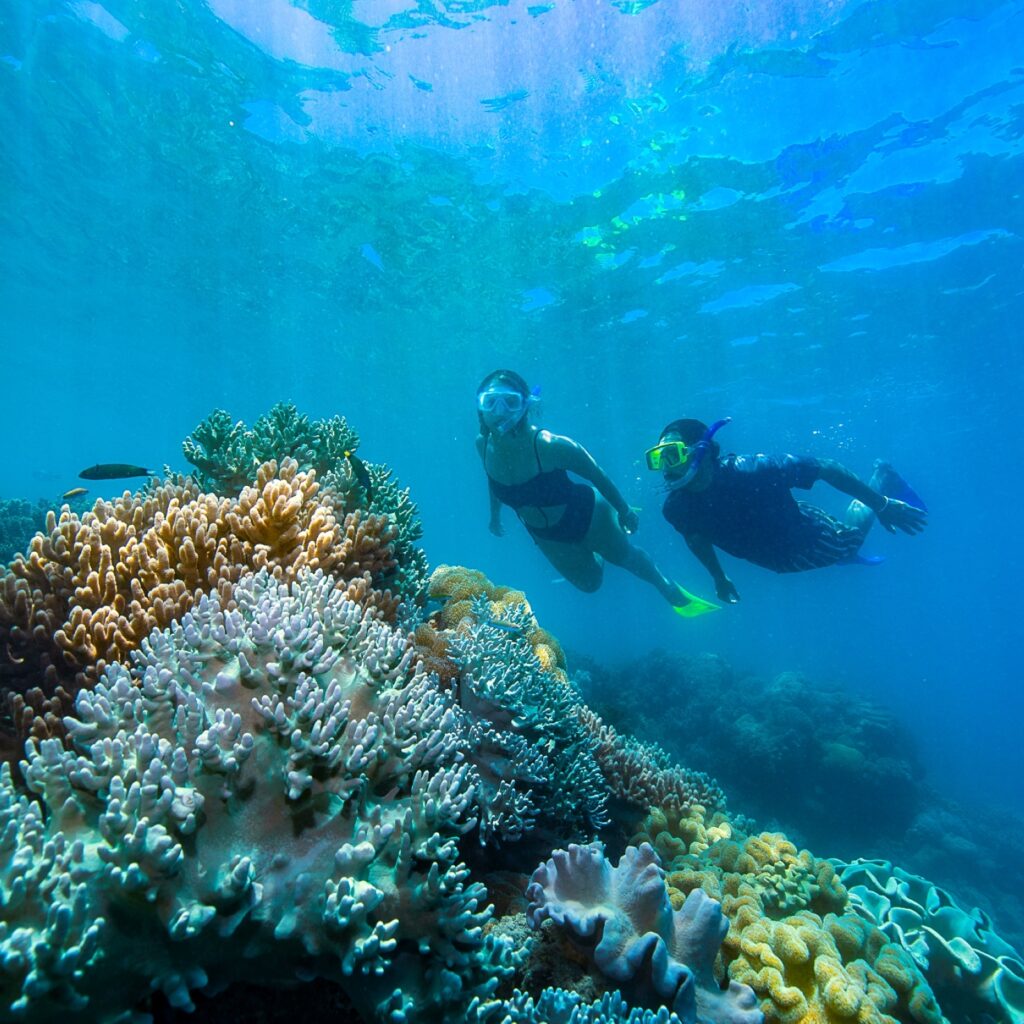
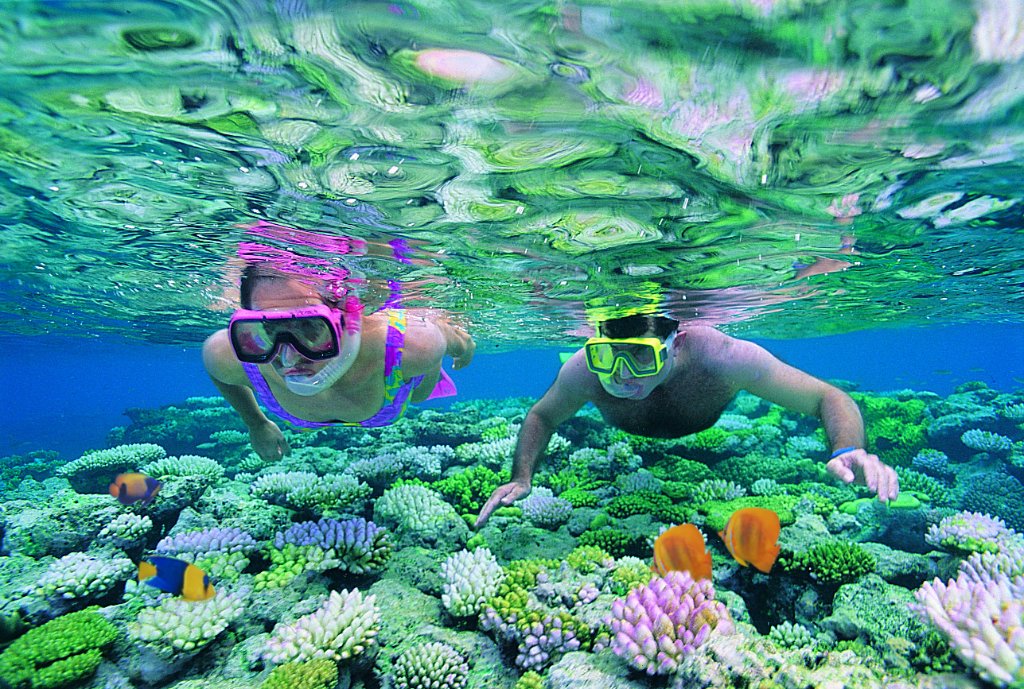
You descend the ladder, mask fogging once before you spit-clear it, and push away from the platform into three-metre visibility over a coral bommie garden.
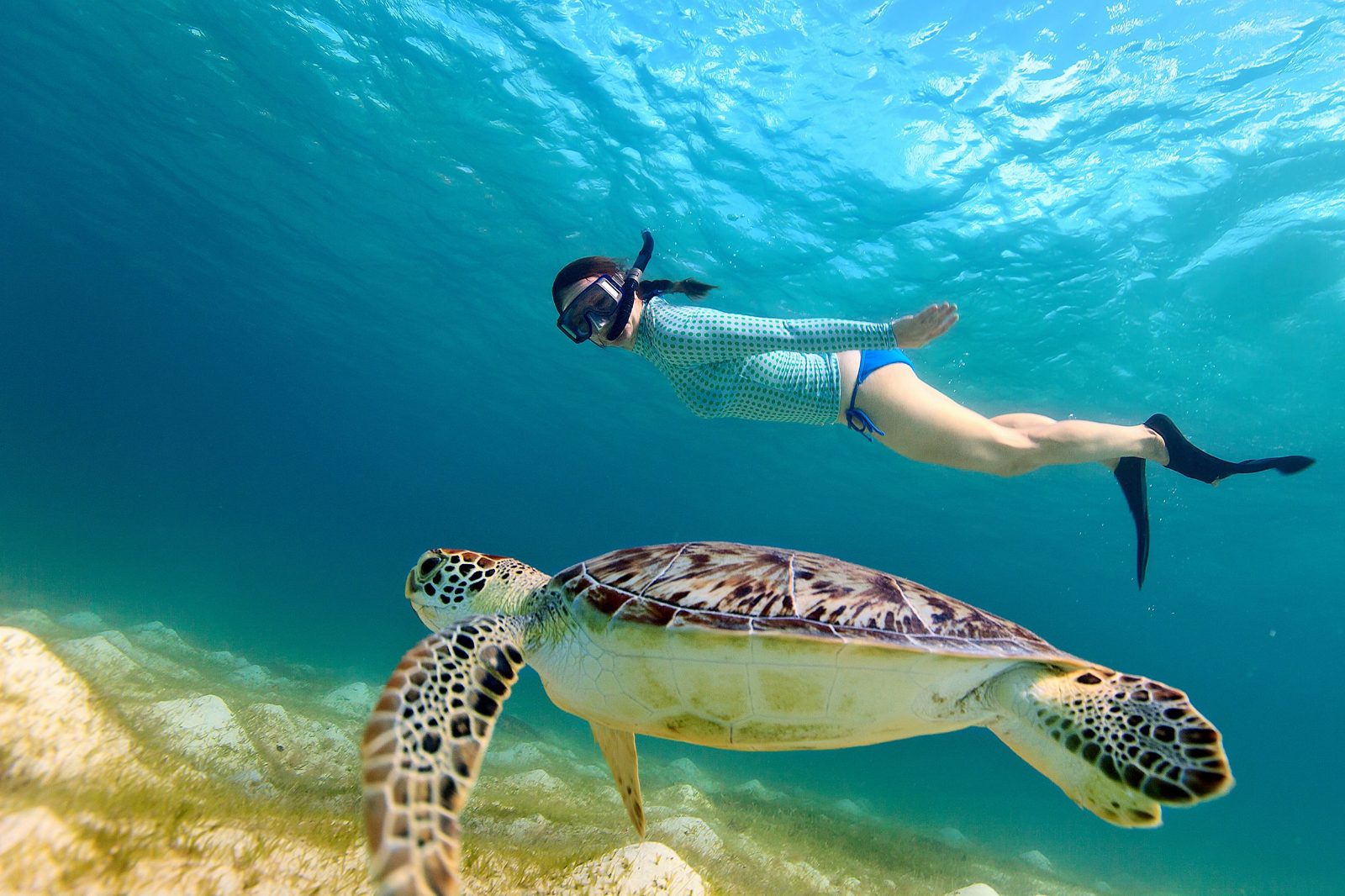
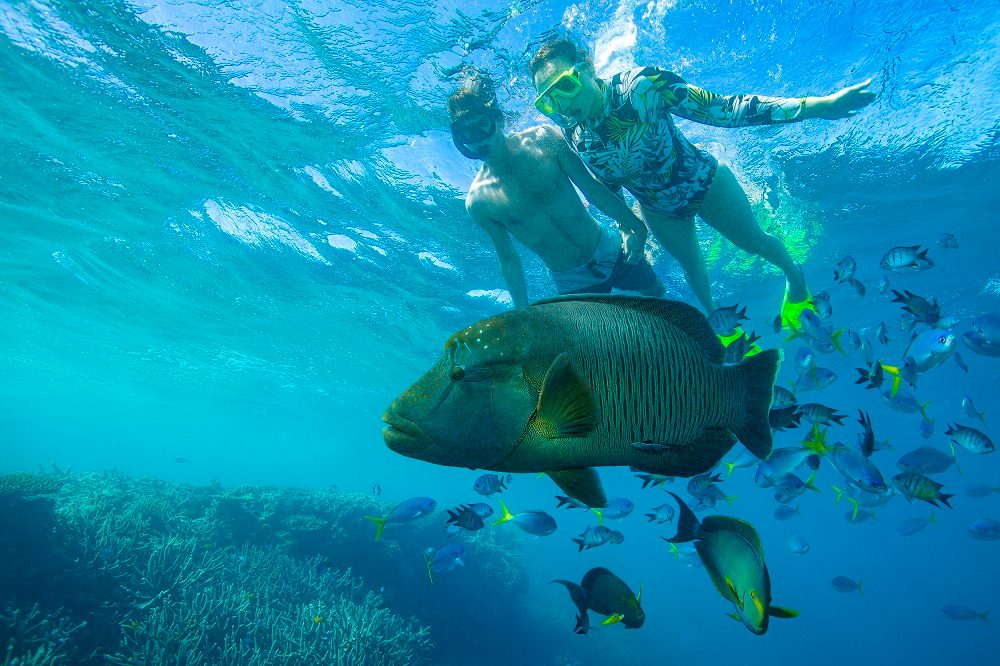
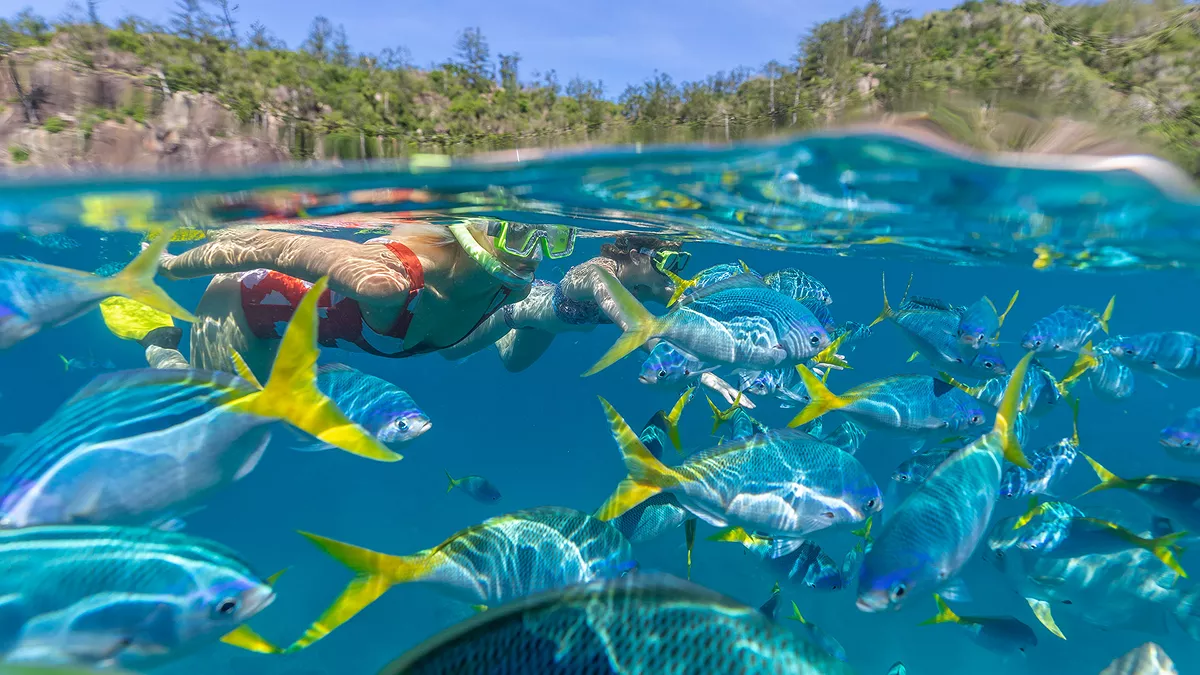
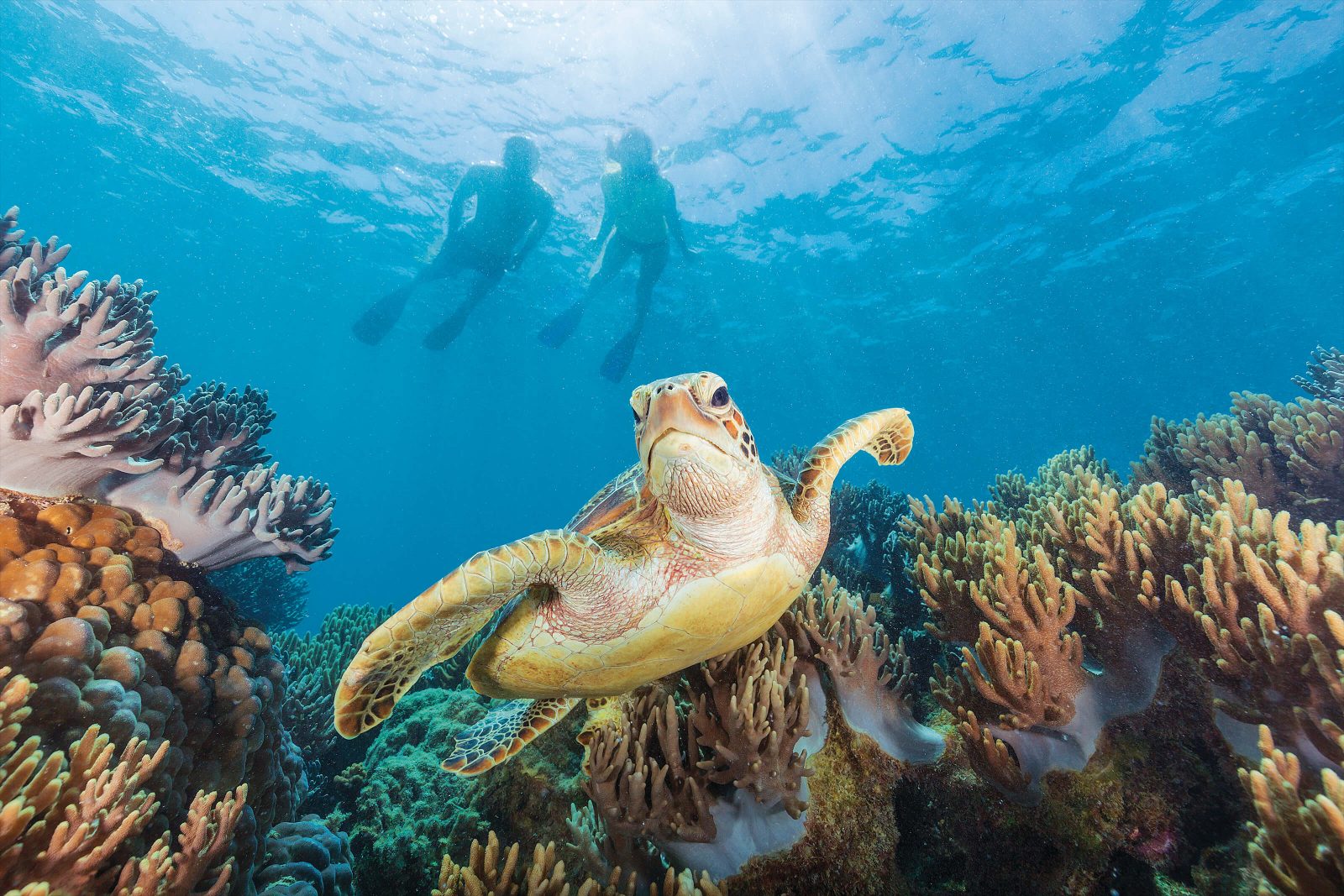
A school of fusiliers streams past, their silver bodies refracting light into the blue column below. You follow the reef's contour, finning slowly to avoid kicking silt from the sand channels. A juvenile Maori wrasse—green and curious—circles you twice before darting into a staghorn thicket. Your guide points down: a whitetip reef shark rests in a coral cave, motionless except for gill movement.
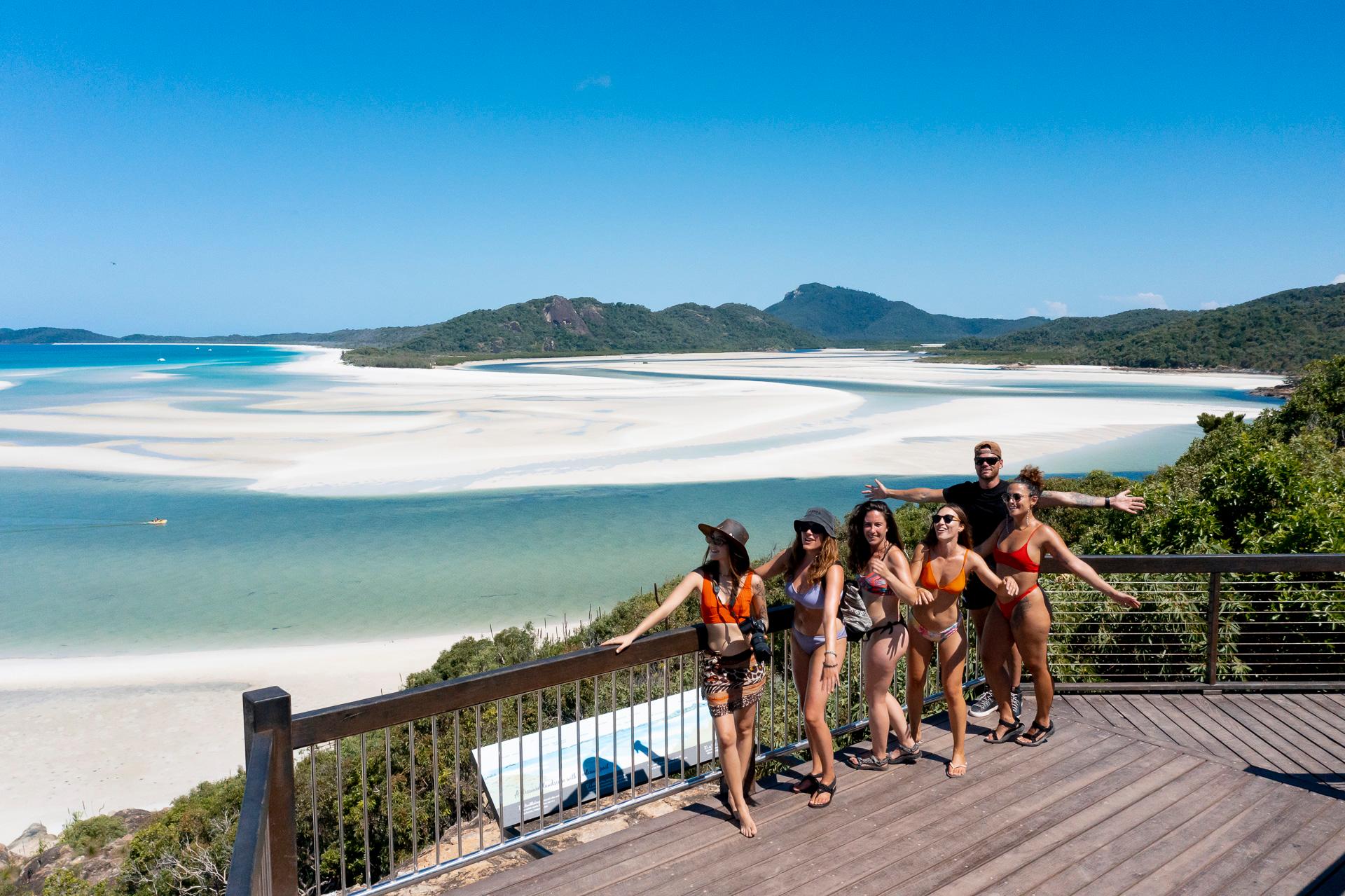
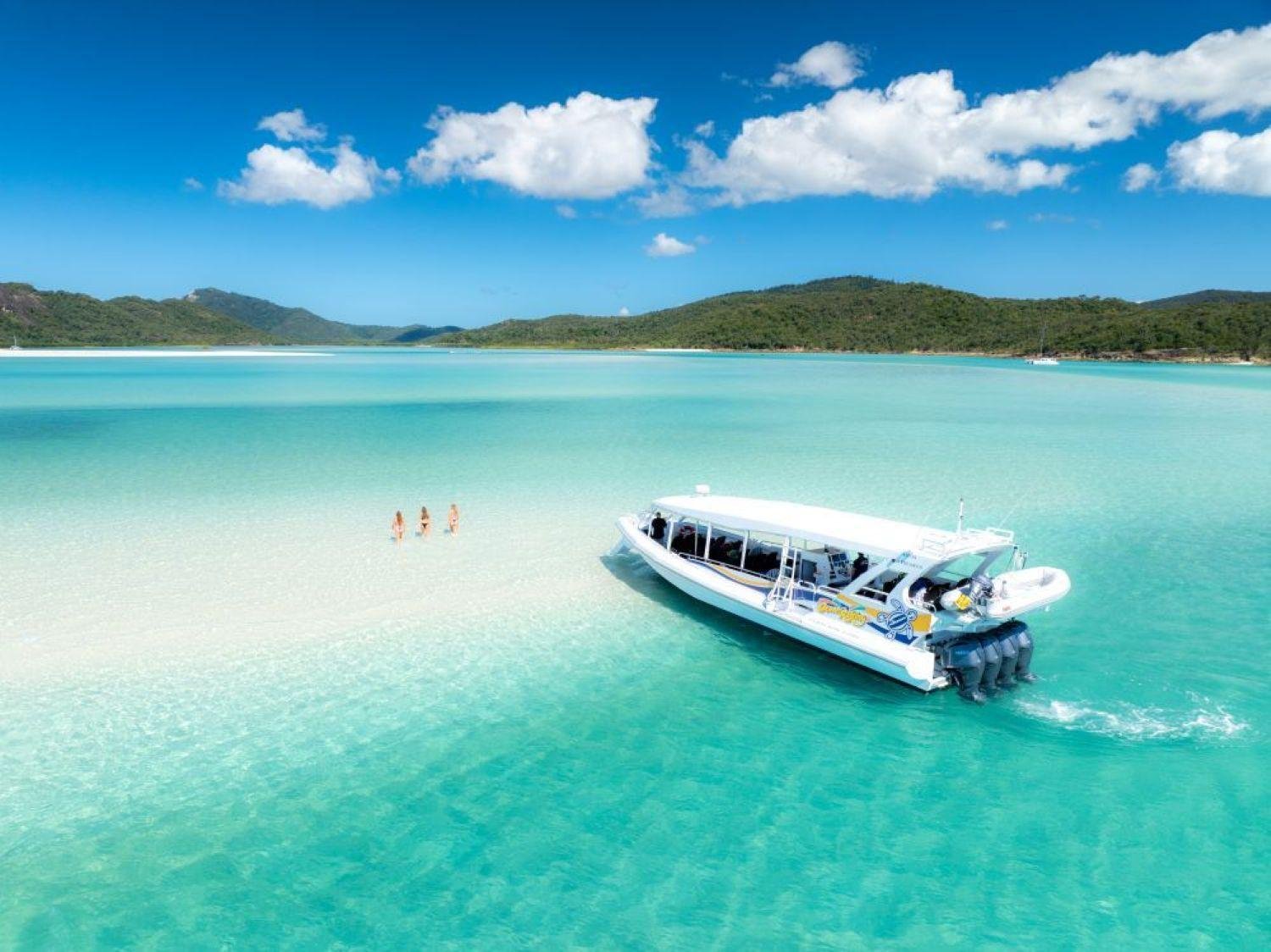
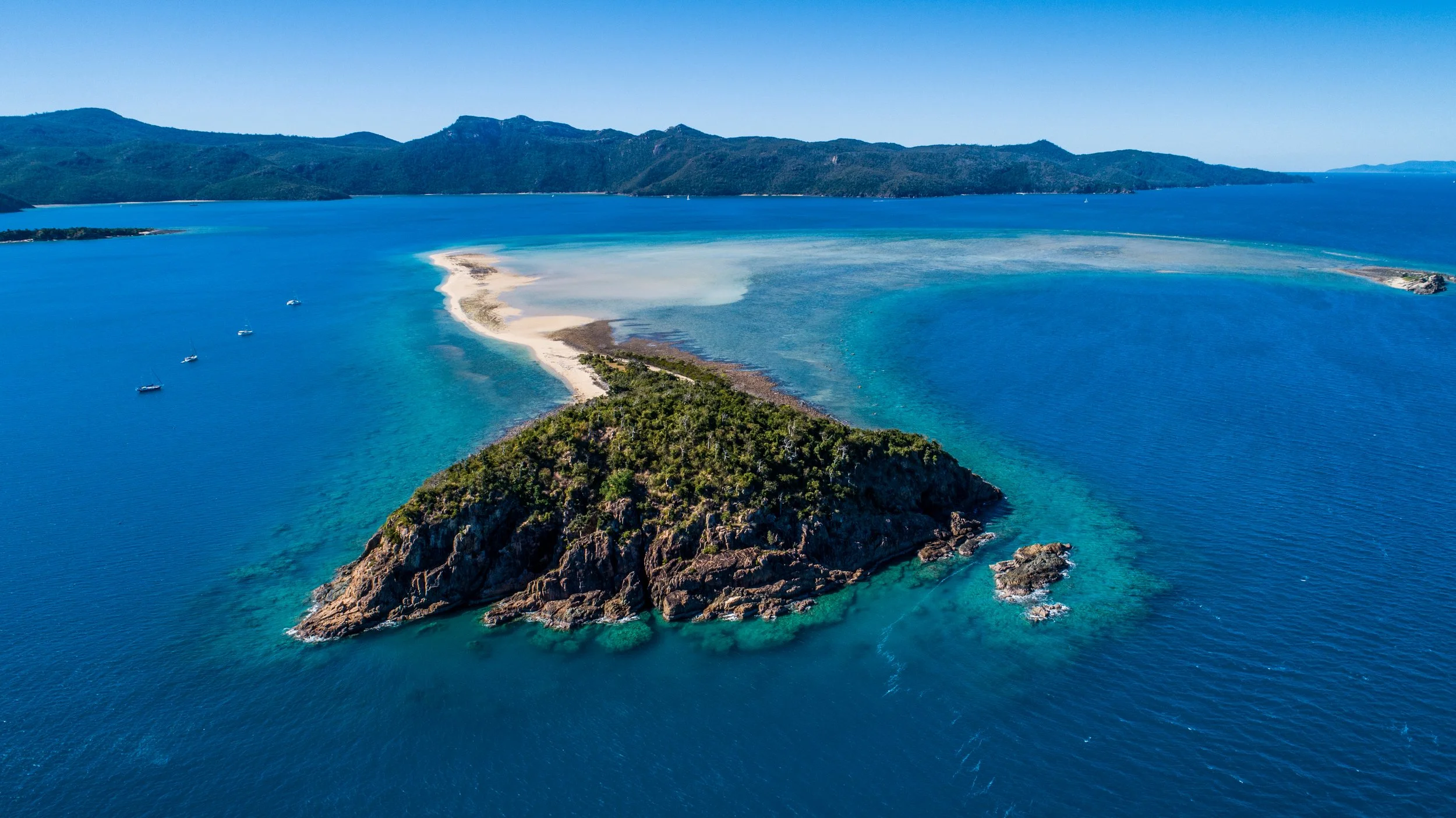
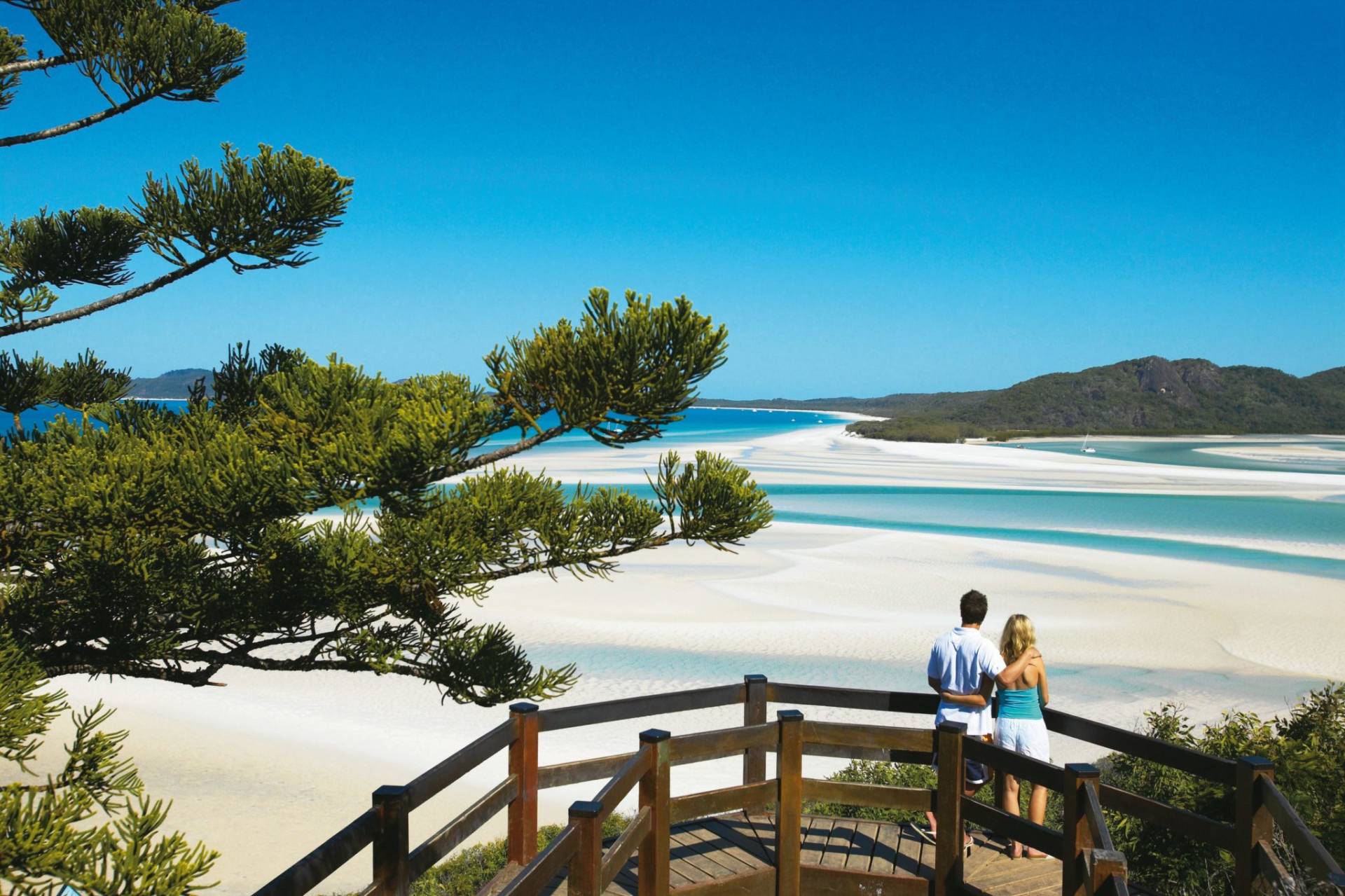
The boat repositions to Whitehaven's northern end after ninety minutes of snorkeling. You wade ashore at Hill Inlet, the silica sand squeaking underfoot, and climb the forested track to the lookout. Below, tidal currents have swirled sand and seawater into marbled turquoise ribbons, the inlet's shallow basin reflecting cloud shadows. You return for a second snorkel session in the inlet's eastern channel, where eagle rays glide over turtle grass and the water warms to twenty-six degrees in the shallows.
All the details about your upcoming adventure in one place
The Great Barrier Reef Marine Park encompasses 344,400 square kilometres of living coral structure, and the Whitsunday Islands occupy one of its most accessible and biodiverse zones.
Seventy-four continental islands rise from the Coral Sea here, their fringing reefs and sheltered lagoons creating natural nurseries for over 1,600 fish species and 600 types of hard and soft coral. The reef system itself dates back eight thousand years, built incrementally by calcium carbonate skeletons of polyps no larger than a fingernail.
Whitsundays snorkeling great barrier reef expeditions depart daily from Airlie Beach and Hamilton Island, reaching outer reef platforms and shallow coral bommies within an hour by speedboat or catamaran. The region's fringing reefs—distinct from the outer barrier ribbon reefs further offshore—thrive in water depths of three to fifteen metres, visibility often exceeding thirty metres between May and September. Hill Inlet's tidal channels and Hardy Reef's protected pontoons offer contrasting environments: the former a sand-bottom lagoon where rays glide over seagrass beds, the latter a drop-off wall where parrotfish graze staghorn thickets and clownfish shelter in anemone gardens.
The marine park's zoning system, established in 1975 and refined through 2004, designates specific areas for low-impact recreation. Yellow zones permit snorkeling and swimming; green zones allow line fishing but prohibit collection of coral or shells. Operators navigate these boundaries daily, selecting sites based on tide, swell, and seasonal coral spawning events that occur five to seven nights after each full moon in late spring. Whitehaven Beach—seven kilometres of ninety-eight percent pure silica sand—serves as a natural staging point, its northern lookout providing aerial perspective on the reef's mosaic structure.
Conservation fees collected through commercial permits fund reef monitoring and Crown-of-Thorns starfish removal programs. Since 2016, concentrated bleaching events have affected shallow-water corals in northern sectors, but the Whitsundays' mid-latitude position and tidal flushing have preserved much of its hard coral cover. Marine biologists working from research stations on Hook Island and Daydream Island document recovery rates and polyp recruitment, their data informing seasonal access rotations that distribute visitor pressure across sixty-plus dive and snorkel sites.

Seventy-four continental islands rise from the Coral Sea, their fringing reefs creating natural nurseries for over 1,600 fish species.
Wear swimwear and protective clothing such as a rash guard or stinger suit, especially during warmer months. Footwear should be easy to remove when boarding vessels for whitsundays snorkeling great barrier reef.
Keep personal items to a minimum as space on reef transit vessels is limited. Secure loose belongings in waterproof bags provided or stored in designated lockers.
Underwater cameras and GoPros are encouraged for documenting whitsundays snorkeling great barrier reef.
Children are welcome on most vessels, though operators may have minimum age requirements for water-based activities.
Access depends on the specific vessel and operator selected for your whitsundays snorkeling great barrier reef tour.
Most whitsundays snorkeling great barrier reef tickets include lunch or snacks provided by the tour operator. Bringing reusable water bottles is recommended.
Opening Hours
00:00–23:59
Address
Whitsunday Islands, Great Barrier Reef Marine Park, Queensland, Australia
Accessibility
Varies by commercial vessel operator
Optimal Arrival
08:00–14:00
Storage
Limited storage on snorkeling vessels
Region
Great Barrier Reef Marine Park
Car · 30m · Fee varies
Parking is available at major marina hubs in Airlie Beach for those driving to the region.
Taxi · 45m · Varies
Ride-share or taxi services operate frequently from Proserpine Airport to marina locations.
Commercial tour operators determine specific terms, typically requiring 24-48 hours notice for full refunds. Entrance to the Great Barrier Reef Marine Park itself requires 0 AUD.
Recommended time
Full day
Planning your whitsundays snorkeling great barrier reef experience requires a full day, as transit between secluded coral cays and reef sites occupies significant time. Most whitsundays snorkeling great barrier reef tours utilize the tidal window to ensure access to shallow lagoons for marine life observation. When booking whitsundays snorkeling great barrier reef tickets, expect crowds to peak mid-morning as vessels anchor at popular mooring zones, though passenger distribution varies by operator.
Crowd levels through the day
Weather · crowds · average price — dots go green to amber to red as each metric rises.
Optimal water temperatures and clarity make this ideal for visiting the whitsundays snorkeling great barrier reef.
Expect warmer water, though jellyfish season necessitates the use of protective lycra suits.
Cooler air temperatures and stable weather provide comfortable conditions for long days at sea.
Water visibility is often highest during these months for those seeking a whitsundays snorkeling great barrier reef tour.
Use reef-safe sunscreen to avoid damaging the ecosystem when enjoying the whitsundays snorkeling great barrier reef.
Always wear the provided stinger suit if advised by the operator, as it protects against minor stings.
Drink plenty of water throughout the day to counteract the heat of the Queensland sun.
Never touch or stand on coral formations during your time snorkeling in the Great Barrier Reef Marine Park.
Airlie Beach, Queensland
Primary hub for many whitsundays snorkeling great barrier reef tours
Get directionsThe Whitsunday Islands emerged as a destination for whitsundays snorkeling great barrier reef in the mid-twentieth century, though the reef itself has existed for approximately 600,000 years in its current form. Captain James Cook charted the archipelago in 1770 during his Pacific voyage, naming the passage on Whit Sunday according to his ship's calendar—though modern scholars note the date was likely incorrect due to crossing the International Date Line. For nearly two centuries the islands remained the domain of the Ngaro people and later timber-getters, until the 1936 declaration of the Great Barrier Reef as a protected region began reshaping access. Commercial tourism arrived hesitantly after World War II. The first dive operators worked from Hamilton Island in the 1950s, but snorkeling remained marginal—gear was primitive, boats slow, and reef sites poorly mapped. The 1960s brought fiberglass hulls and mask improvements, yet visitation stayed below 10,000 annually. The 1975 establishment of the Great Barrier Reef Marine Park Authority imposed zoning that restricted anchoring and extraction, a decision that provoked fierce opposition from fishing interests but ultimately preserved coral health. By 1982 UNESCO World Heritage listing elevated global awareness, and whitsundays snorkeling great barrier reef tours began proliferating from Airlie Beach. The sector faced crisis in 1998 and 2002 when mass bleaching events damaged 42 percent of surveyed corals. Scientists from the Australian Institute of Marine Science documented recovery rates and identified resilient zones, which operators now prioritize. Cyclone Debbie in 2017 destroyed pontoons and moorings, forcing a two-month closure, but rebuilding incorporated storm-resistant designs. Today the Marine Park manages more than 800 commercial permits, with snorkeling concentrated at Hardy Reef, Bait Reef, and Blue Pearl Bay—sites chosen for current patterns that maintain visibility above fifteen meters and support diverse fish populations including Maori wrasse and green turtles.
Captain Cook charts the Whitsunday Passage during his Pacific exploration voyage.
Great Barrier Reef declared a protected region under Queensland legislation.
First commercial dive operators establish bases on Hamilton Island.
Great Barrier Reef Marine Park Authority formed, imposing strict zoning regulations.
UNESCO designates the reef a World Heritage Site, accelerating international tourism.
Mass coral bleaching events damage 42 percent of surveyed reef areas.
Cyclone Debbie destroys infrastructure, prompting redesign of moorings and pontoons.
Capture the shifting silica sands and turquoise waters from this elevated platform to provide context for your whitsundays snorkeling great barrier reef gallery.
This site offers high-clarity shots of marine life among coral bommies, perfect for those booking whitsundays snorkeling great barrier reef tours.
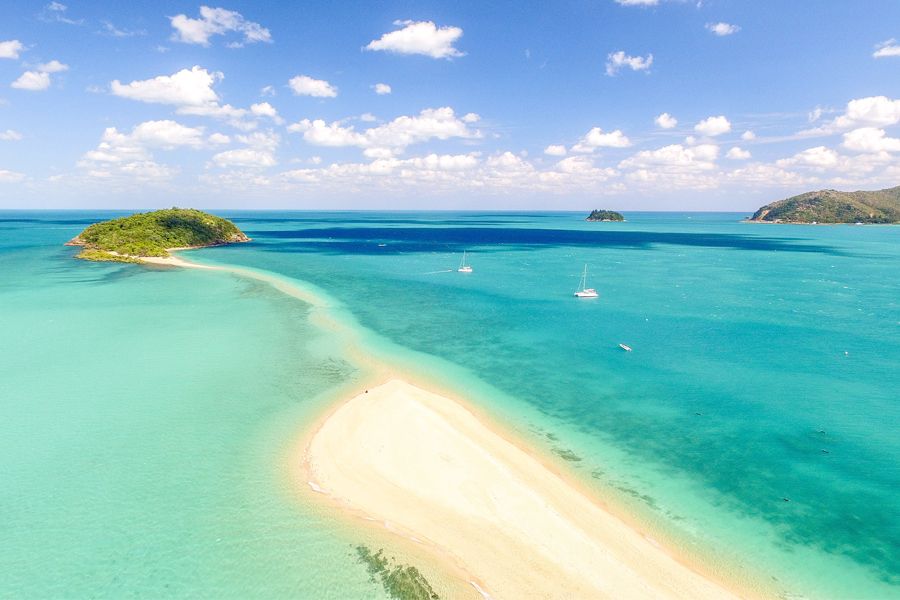
Shoot the expansive reef backdrop during low tide when the sandbar emerges, a highlight of any whitsundays snorkeling great barrier reef tour.
Focus your camera on the dense hard coral formations and sea turtles often found here by guests with whitsundays snorkeling great barrier reef tickets.
Exploring the islands with children requires careful planning to manage maritime travel and open-water safety. Families participating in whitsundays snorkeling great barrier reef adventures will find that most charter vessels provide essential buoyancy aids and supervised sessions.
Most operators suggest children be comfortable in water; check specific whitsundays snorkeling great barrier reef tours for minimum age requirements regarding life jacket fit.
Vessels are generally not stroller-friendly due to deck stairs and narrow walkways, so bring a wearable baby carrier for transit.
Attend the mandatory on-board vessel safety talk to ensure children understand the signal systems used during whitsundays snorkeling great barrier reef tickets verification.
Full-day trips involve significant sun exposure, so schedule downtime in shaded cabin areas to prevent fatigue before your next in-water activity.
Confirm with your chosen provider that they offer family-sized rinsing showers and dedicated changing spaces onboard for when you return from exploring the marine park.
Dining for those enjoying whitsundays snorkeling great barrier reef is primarily provided through catered lunch services included in commercial boat excursions. If you are staying at a resort island, venues are easily accessible within the marina precincts.
Located on the marina with views of the coral sea; ideal for post-excursion dinners after your whitsundays snorkeling great barrier reef tour.
Everything you need to know for your journey
The park is accessible 00:00–23:59 daily.
Entry to the Great Barrier Reef Marine Park is 0 AUD, but you must purchase whitsundays snorkeling great barrier reef tickets for commercial transport.
The best arrival window is 08:00–14:00 to maximize visibility for your whitsundays snorkeling great barrier reef tour.
Age limits vary by provider, so check your booking details before visiting the whitsundays snorkeling great barrier reef.
Most tour packages include meals, though you can bring your own snacks if stored properly.
Photography is allowed, and capturing the whitsundays snorkeling great barrier reef is highly recommended.
Cancellations depend on the operator; check your tour confirmation for specific refund terms regarding your whitsundays snorkeling great barrier reef tour.
Meeting points are typically at the Coral Sea Marina in Airlie Beach.
Prohibited items include plastics and chemical sunscreens that can harm the whitsundays snorkeling great barrier reef.
Famous for its white silica sand and turquoise waters.
Offers panoramic views of swirling sands and blue tides.
A popular site for observing marine biodiversity in the park.
Central location for transport access.
Island-based lodging with direct reef access.
Common choice for backpackers and divers.
Join thousands of happy travelers who have discovered this incredible experience
Book Your Experience Now