
Quick answer
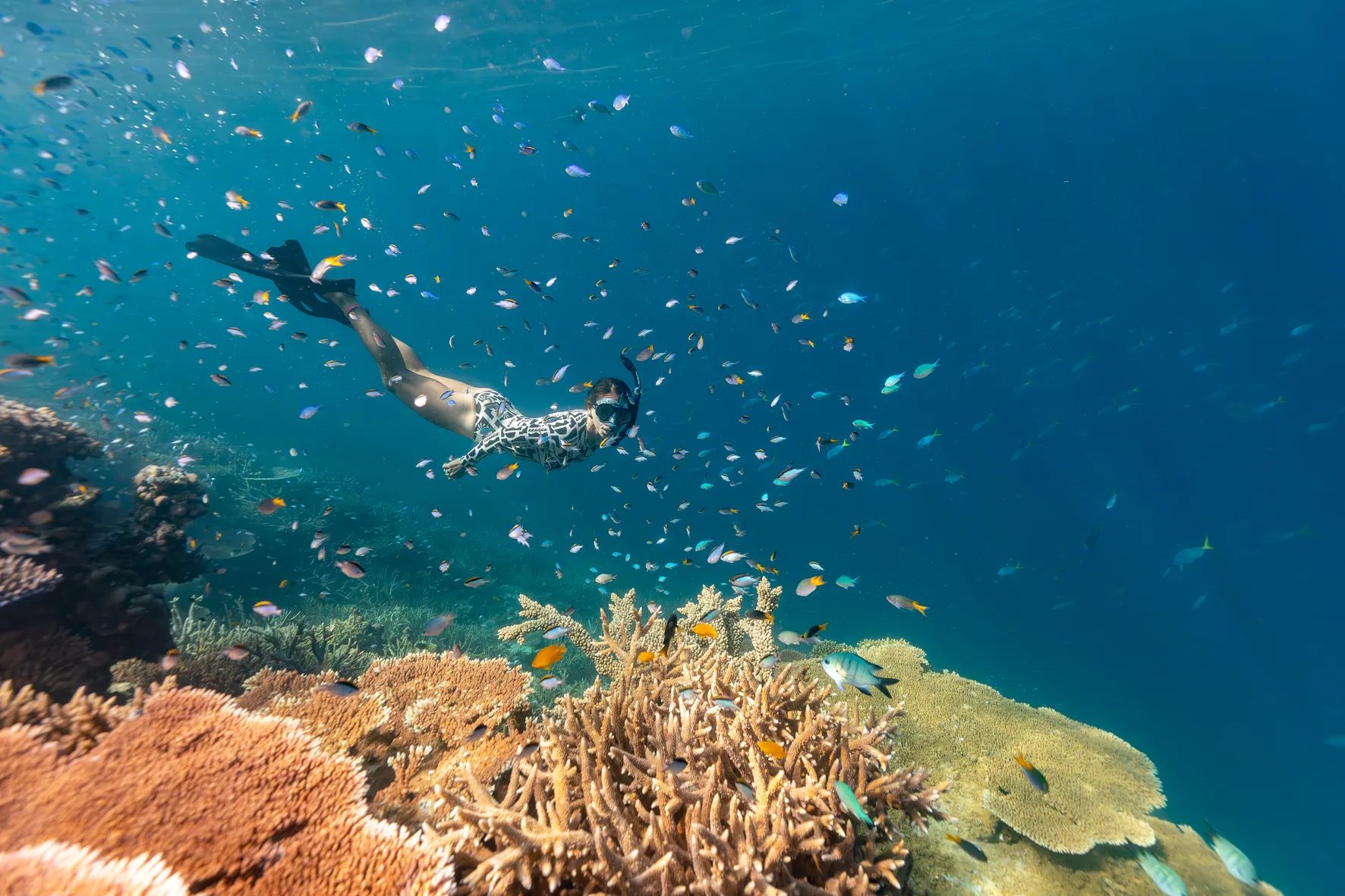
The best snorkeling in the Whitsundays centers on four locations: the outer reef sites northeast of Hook Island (deepest coral diversity, accessed by extended tours), Blue Pearl Bay and Manta Ray Bay on Hook Island (sheltered fringing reefs, common on half-day itineraries), and the southern edges of Whitehaven Beach (shallow sand-and-coral zones, clearer on rising tide). All require boat transfer from Airlie Beach or Hamilton Island. Entry to Whitsunday Islands National Park is free; tour and transfer costs apply separately.
The Whitsunday fringing reefs form where coral colonies colonize the submerged slopes of continental islands—distinct from the outer barrier reef structures that lie 60 kilometers offshore. Blue Pearl Bay, tucked into Hook Island's western shore, shelters a semicircular coral garden in water rarely deeper than six meters, visibility often exceeding 15 meters on calm mornings. Parrotfish and sweetlips cruise the staghorn thickets; juvenile batfish hover near the mooring buoys. Most half-day snorkeling tours include Blue Pearl Bay because the bay's natural windbreak keeps conditions predictable even when afternoon gusts sweep the Whitsunday Passage. Manta Ray Bay, on Hook Island's northern tip, draws its name from the reef mantas that patrol the channel between Hook and Hayman islands during plankton blooms, though sightings depend on current and season. The reef itself drops from shallow coral heads to sand channels at eight meters, habitat for green turtles and small reef sharks. Tours reaching Manta Ray Bay typically depart before 08:00 to arrive during the morning slack water, when sediment settles and the water clears. Outer reef snorkeling in the best snorkeling Whitsundays context means the ribbon reefs and coral cays on the continental shelf edge—sites like Bait Reef and Hook Reef, 90 minutes northeast by fast catamaran. These sites sustain deeper coral walls and pelagic species absent from the fringing reefs: barracuda, trevally, the occasional reef shark silhouette against the drop-off. Weather determines outer-reef access; operators cancel when swell exceeds 1.5 meters or wind tops 20 knots, common in the June-to-August southeast trade season. Most outer-reef itineraries allocate two snorkeling stops over six hours, with onboard marine biologists providing species briefings between dives. Whitehaven Beach's southern end, where Hill Inlet meets the sand tongue, offers snorkeling over scattered coral bommies in knee-to-waist depth, clarity dependent on tidal phase. The inlet flushes twice daily; incoming tide brings cleaner water from the Coral Sea, while outgoing tide stirs the silica sediment. Whitehaven snorkeling pairs with the beach visit on combination tours, but reef quality here ranks below the dedicated snorkeling sites—expect sand, patchy coral, and small reef fish rather than the coral density found at Blue Pearl or the outer reef.
“The Whitsunday fringing reefs form where coral colonies colonize the submerged slopes of continental islands—distinct from the outer barrier reef structures that lie 60 kilometers offshore.”
The Best Time for Snorkeling Whitsundays
The best time to snorkel the Whitsunday Islands is during the shoulder seasons of April to May and September to October. For daily trips, the optimal arrival window is 08:00–11:00 to capitalize on calmer morning seas and superior water clarity.
April to May
Moderate23°C to 28°C; mild winds
Lower humidity and pleasant water temperatures create ideal snorkeling conditions.
September to October
Moderate22°C to 27°C; consistent breezes
Visibility is often at its peak before the onset of summer humidity.
November to March
High25°C to 30°C; tropical wet season
Expect warmer water, though jellyfish season necessitates the use of protective lycra stinger suits.
Morning departures
Low—
The 08:00–11:00 arrival window ensures smoother water and higher visibility before afternoon gusts develop.
Verdict: The best period for snorkeling is April, May, September, or October, ideally arriving between 08:00–11:00 to avoid afternoon wind.
Top Locations for the Best Snorkeling Whitsundays Experience
The Whitsunday Islands offer diverse marine environments ranging from sheltered fringing reefs to expansive coral formations. These locations provide opportunities to observe varied coral species and marine life across the archipelago.
Blue Pearl Bay
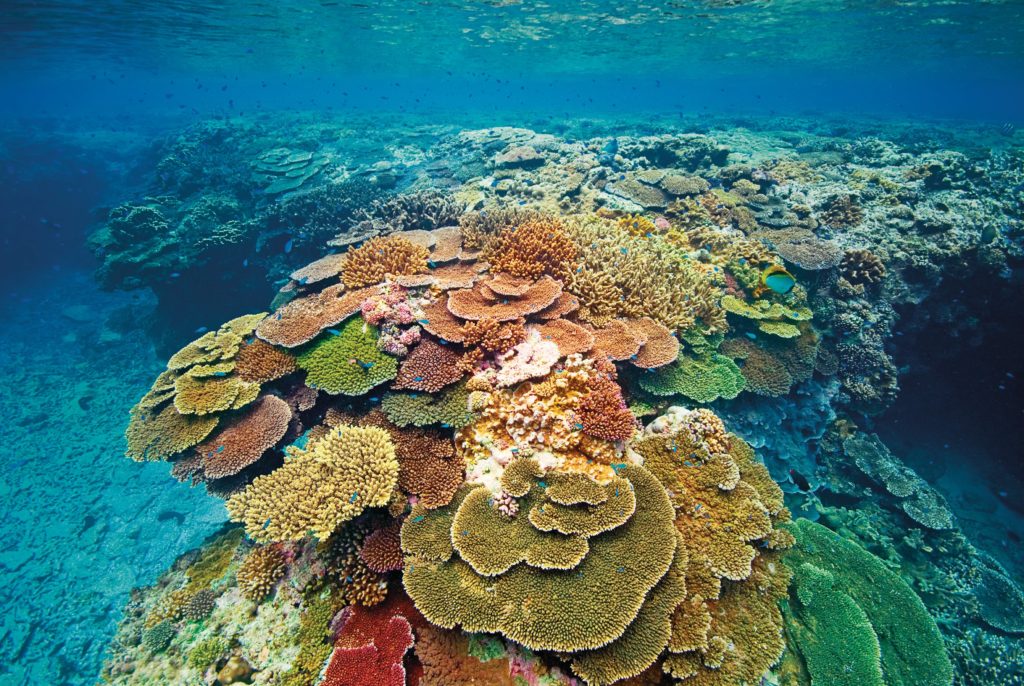
Located on the northern side of Hayman Island, this bay features coral gardens and a high concentration of reef fish. It provides a sheltered environment suitable for observing schools of fusiliers and angelfish.
Visit during mid-tide to view fish near the rock wall.
Manta Ray Bay
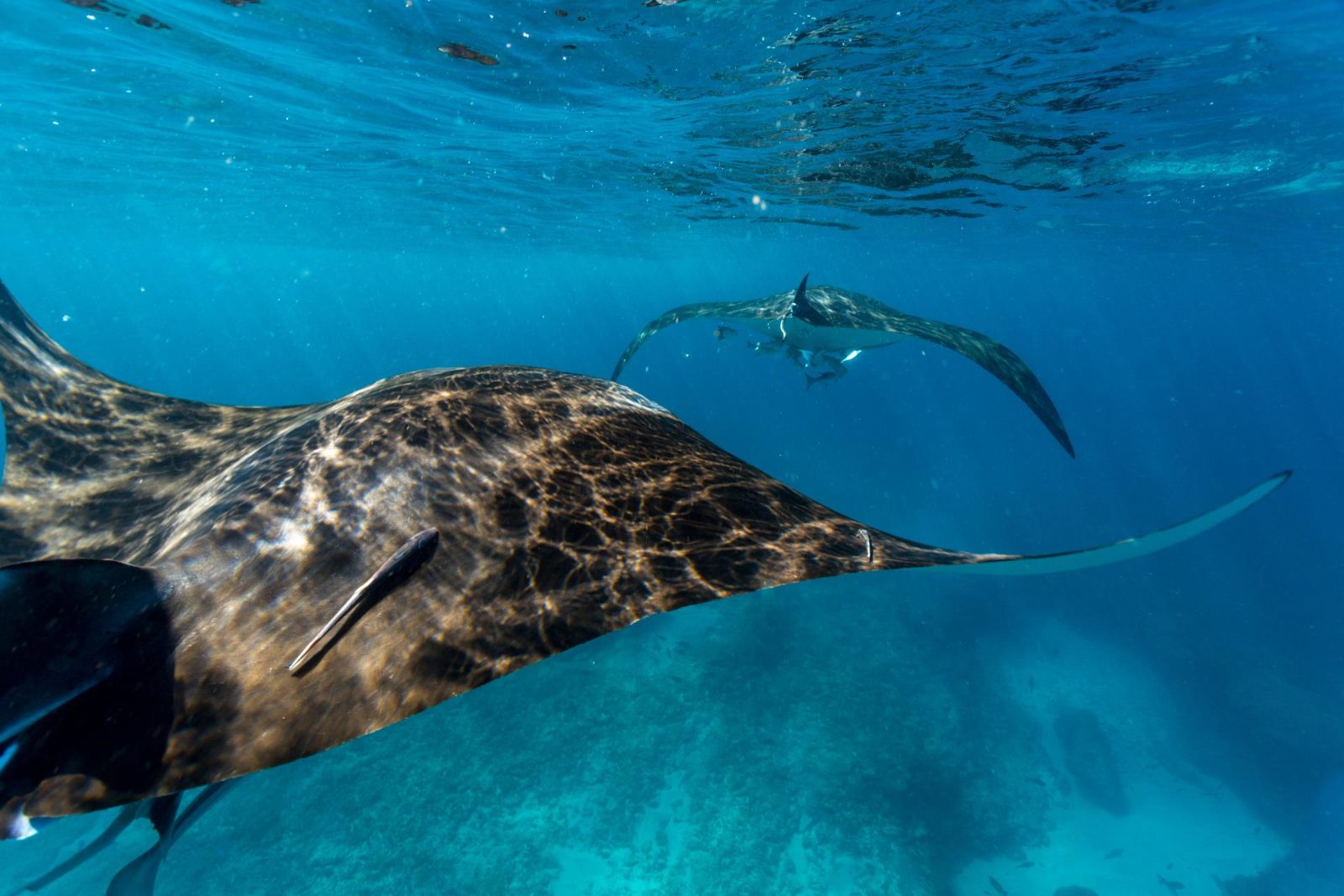
Situated at the northern tip of Hook Island, this site is known for its steep underwater topography and abundant marine life. It is frequently visited by Maori wrasse and occasionally manta rays during winter months.
Swim toward the outer reef edge for clearer visibility.
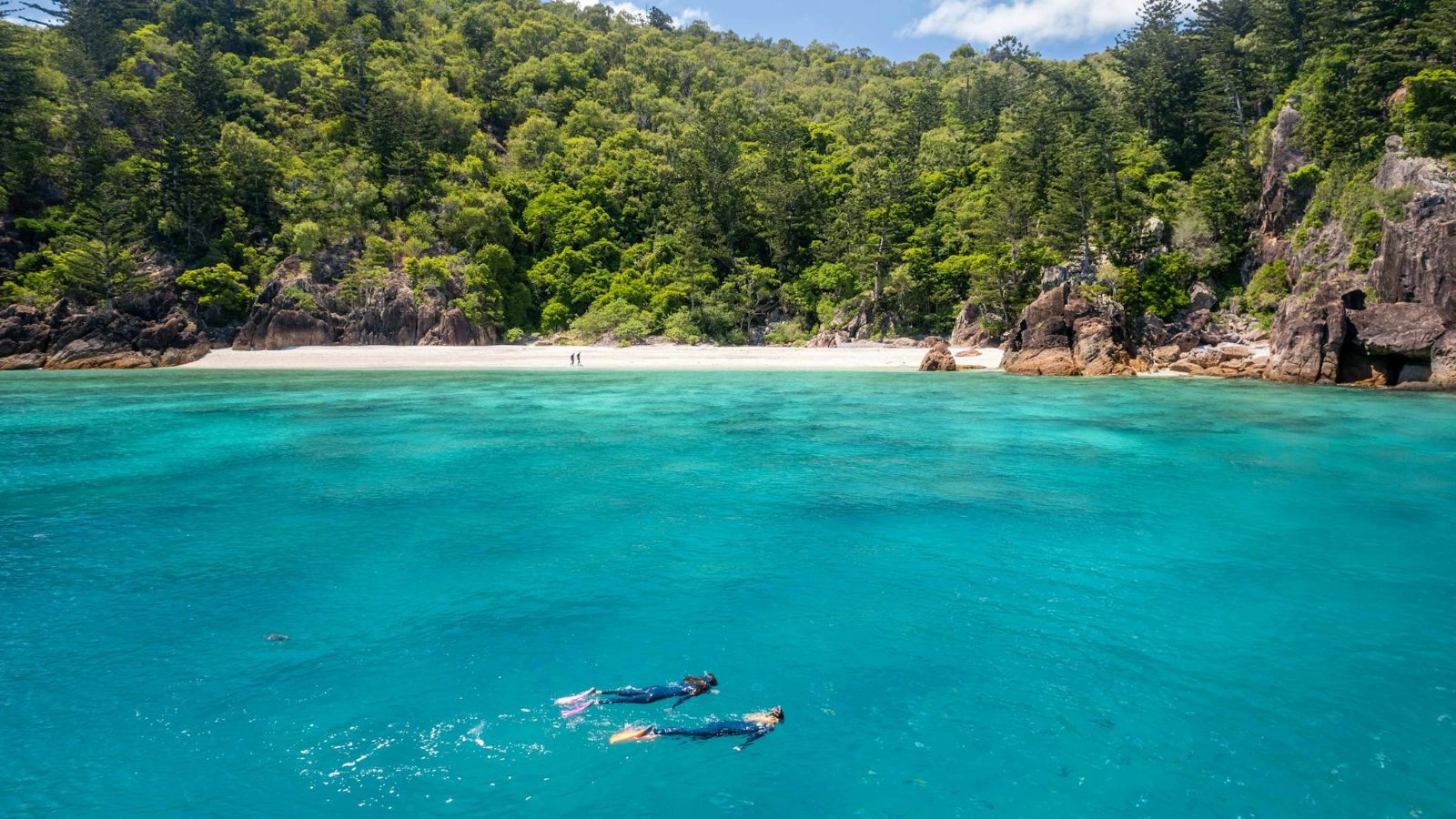
Luncheon Bay
Found on the northern side of Hook Island, this area contains diverse soft and hard coral structures. The site is accessible for snorkelers looking to explore shallow reef patches.
Enter from the beach to access the inner reef.
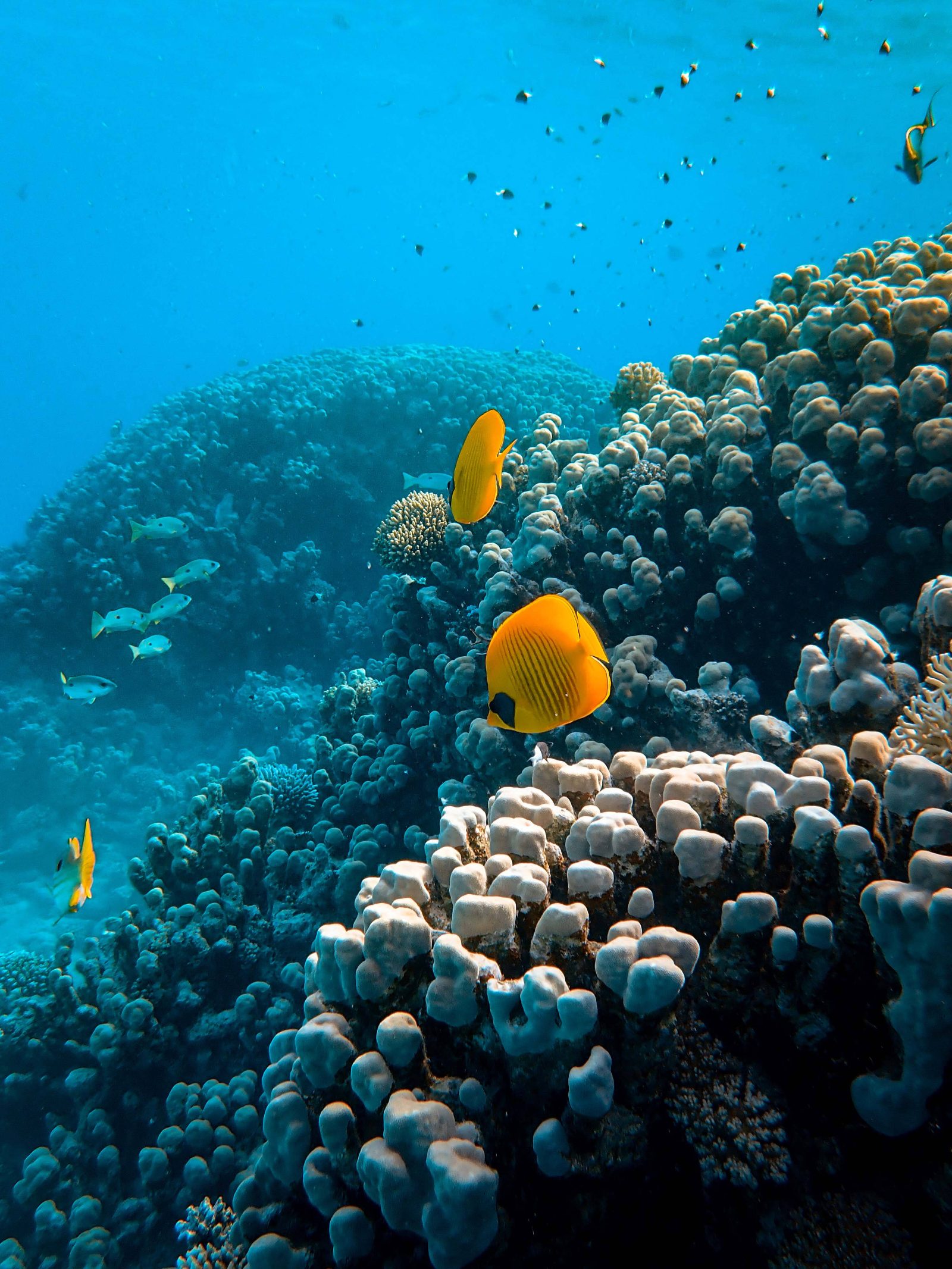
Butterfly Bay
This bay on Hook Island offers calm, protected waters where snorkelers often encounter sea turtles and vibrant coral colonies. It serves as a sheltered anchorage for many vessels in the region.
Explore the western side for higher coral density.
How to Reach the Best Snorkeling Whitsundays Sites
The Whitsunday Islands National Park is accessible only via maritime transport. Most visitors depart from mainland Airlie Beach or Hamilton Island using commercial tour vessels or private charters to reach the surrounding waters.
Departure from Port of Airlie, Airlie Beach
Departure from Hamilton Island Marina
Parking available at Port of Airlie, Airlie Beach
Understanding Fees for the Best Snorkeling Whitsundays Trip
Access to the Whitsunday Islands National Park is free. Any costs associated with a snorkeling trip are determined by private boat transfers and guided tour operators.
While park entry is 0 AUD, visitors typically pay for commercial boat transfers or tour packages, which vary based on the provider.
Opening Hours for the Best Snorkeling Whitsundays Area
Whitsunday Islands National Park remains accessible to the public 24 hours a day. Visitors should coordinate their snorkeling trips with the specific departure schedules of authorized tour operators.
| Monday | 00:00–23:59 | |
|---|---|---|
| Tuesday | 00:00–23:59 | |
| Wednesday | 00:00–23:59 | |
| Thursday | 00:00–23:59 | |
| Friday | 00:00–23:59 | |
| Saturday | 00:00–23:59 | |
| Sunday | 00:00–23:59 |
Preparation Checklist for the Best Snorkeling Whitsundays Adventure
Pack sun protection, reef-safe gear, and underwater camera equipment to make the most of your snorkeling day.
-
Apply reef-safe sunscreen before departure — Chemical sunscreens damage coral; mineral-based formulas protect both skin and reef.
-
Bring or rent a stinger suit — Jellyfish are present October–May; full-body suits prevent stings without restricting movement.
-
Pack a waterproof camera or GoPro — Capture vibrant coral gardens and marine life; most phones need dedicated housings for depth.
-
Wear a rash guard over swimwear — Extra UV protection and abrasion resistance when swimming near coral bommies.
-
Bring anti-fog solution for your mask — Tropical humidity fogs lenses quickly; defog gel maintains clear vision underwater.
-
Secure prescription mask inserts if needed — Standard masks won't accommodate glasses; order corrective lenses or contact your operator for rentals.
Check availability
Frequently asked questions about best snorkeling whitsundays
Everything you need to know about best snorkeling whitsundays